

SEARCH
Industry Partners




Prairie Swine Centre is an affiliate of the University of Saskatchewan

Prairie Swine Centre is grateful for the assistance of the George Morris Centre in developing the economics portion of Pork Insight.
Financial support for the Enterprise Model Project and Pork Insight has been provided by:







Ultrasound scanning – more than just pregnancy testing
Posted in: Production by admin on July 14, 2011 | No Comments
In Europe, ultrasonography – for which the term “scanning” is used – has been implemented increasingly on swine production units. This technique is usually performed through the skin, usually of the abdomen, without the need to penetrate the animal via the rectum, as is the case in horses or cattle (Figure 1). The main purpose for scanning pigs is to test for pregnancy, indeed, scanning is superior to other methods of pregnancy diagnosis. The main advantage is that it allows for early use (starting day 20/21 after breeding; Figure 2A), combined with its accuracy at even this early stage of pregnancy (close to 100 %). The main disadvantage is the relatively high price of the equipment although, over recent years, prices have decreased dramatically and good machines are currently available for a reasonable cost.
However, scanning offers more than merely testing for pregnancy. With ultrasonography, both the non-pregnant uterus (Figure 2B) and the ovaries (Figure 2C) can be visualized. Imagine the many situations when you wanted to have a look inside the animal but failed for obvious reasons. Using ultrasound, gilts and sows are now virtually transparent! Besides pregnancy testing, this unique form of ultrasonography can be used for multiple purposes in breeding pig facilities. Those purposes are:
1. Checking the ovulation process: The ovary and all the ovarian structures that appear around ovulation are well described. This allows for checking when ovulation occurs in individuals and in groups of breeding sows. Scanning to check for ovulation is useful whenever there are questions relating to the breeding management and timing of insemination in particular.
2. Checking for puberty (i.e. sexual maturity): As the pig matures sexually and changes from the pre-pubertal to the pubertal stage, there is uterine growth and the gilts commence their cycling activity, with the first ovulation and subsequent development of corpora lutea or “yellow bodies” in the ovary. Scanning allows for the visualization of the uterus and the ovaries in both the pre-pubertal and the pubertal gilt and the assessment of both organs can give valuable information on sexual maturity. If the ovary is scanned, animals having only small follicles are considered pre-pubertal, while those having large, pre-ovulatory follicles or ovarian structures indicating completed ovulation (corpora lutea) are pubertal. If the uterus is used for assessment, the uterine size has proven to be a reliable measure of whether gilts are pubertal or not. In order to make this assessment, the uterus has to be imaged as a cross-section, then measured in two dimensions and the cross-sectional area calculated. Pre-pubertal gilts have a cross-sectional area of ≤ 1cm2, while it is ≥ 1.2cm2 in pubertal animals. Though separate assessment of either the ovaries or the uterus gives almost 100% correct diagnoses, maximum accuracy is achieved if the assessment involves both organs concurrently. Scanning to check for puberty might be desired in case of low gilt performance, in terms of low conception rates or small litter sizes.
3. Examination of females with reduced or complete cessation of fertility: If a female displays reduced fertility or absence of fertility, this can be for different reasons. Scanning is directly helpful if the reason is the female herself, with defects related to the ovaries and/or the uterus. Ovarian cysts are usually considered one main reason for the animals’ failure to breed. However, it is only polycystic ovarian degeneration (POD), where the ovary has only cystic ovarian structures, which is fatal to fertility, while single or multiple cysts accompanied by “normal” ovarian structures are more frequent but of lesser significance. Cysts can indeed be identified using ultrasonography, (Figure 2D) and females with POD quickly culled, thereby reducing the number of non-productive days. Amongst females exhibiting fertility problems, many have uterine infections such as inflammation of the endometrium or lining of the uterus. Although the chronic inflammation is more prevalent, the acute type can sometimes be observed combined with a purulent vaginal discharge. Unfortunately, scanning allows only for the detection of acute endometritis, and recognition usually occurs on the basis of abnormal flocculent or clotted fluid within the uterus.
The echotexture is another parameter used to describe the appearance of the uterus in ultrasound images and uses the distribution and frequency of lighter and darker areas for description. The echotexture can be described as homogeneous or heterogeneous and undergoes normal physiological changes during the oestrus cycle. It is heterogeneous when females approach or are in heat and larger follicles are present, and homogeneous at any other stages of the oestrous cycle, for example when corpora lutea are present. Any deviation from the physiologically normal status might be considered abnormal and is associated with reduced fertility. A third parameter, uterine size, might also be helpful in assessment of whether a uterus is functioning normal or not. The size is determined as described for gilts and is given as the sectional area. Uterine size has been shown to correlate with uterine weight and the weight itself helpful in the diagnosis of uterine disorders. For instance, the mould toxin zearalenone, which can cause reproductive problems in pigs, has been associated with very small (light) and very heavy reproductive tracts.
With its multipurpose usage potential, ultrasonography can be much more than merely a procedure to test for pregnancy. Given that pregnancy diagnosis may be performed on day 20 or 21 after breeding, non-pregnant females can be detected right at the time they are presumed to return to service, so they can be subjected to very close heat detection supervision. The concurrent assessment of the ovaries and the uterus in these non-pregnant females gives additional benefit. As mentioned before, animals with POD can be culled immediately. However, as a number of non-pregnant animals will have corpora lutea or small follicles, producers might be willing to treat them hormonally to induce oestrus and/or ovulation. Finally, animals with obvious uterine alterations, such as abnormal intrauterine fluid or atypical echotexture and thus reduced fertility, can be quickly sent to slaughter. This entire procedure, in combination with routine pregnancy testing, including ovarian as well as uterine diagnosis, will certainly increase productivity through the reduction of non-productive days.
Johannes Kauffold (Email: kauffold@vet.upenn.edu) and Gary Althouse(Email: gca@upenn.edu) are at the Department for Clinical Studies, New Bolton Center, School of Veterinary Medicine, University of Pennsylvania and Neville Beynon is with Veyx Pharma and based in the UK, (Email: nevillebeynon@ntlworld.com.)
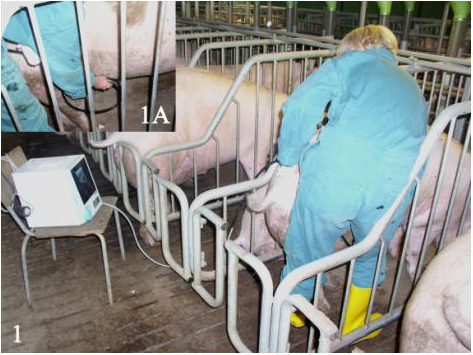
Figure 1: Procedure of transabdominal ultrasonography of pigs. A linear transducer is placed horizontally just above the last pair of teats onto the ventral right abdomen (1A).
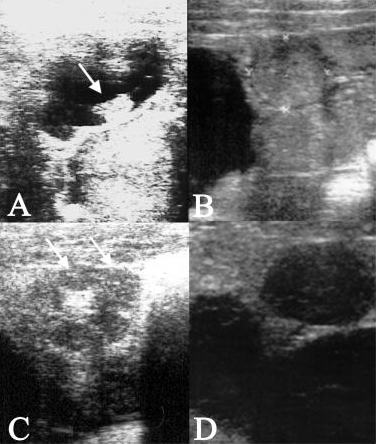 Figure 2. A): Image obtained from a gravid (pd+) pig showing an example of a uterine cross-section containing embryonic fluid and the embryo itself (arrow) on day 20 after breeding. B) Cross-sections of an ingravid (non-pregnant) uterus. C) Ovary with several corpora lutea. Two are marked with arrows. D) Ovary with large follicular cysts (black “pockets”).
Top reasons for missing nursery closeouts
Posted in: Production by admin on | No Comments
Introduction
Feeding and management of the weaned pig has a significant impact on not only nursery performance but also can affect subsequent performance in the grow-finish phase. Though costs incurred in the nursery phase represent approximately 15% of the total cost to produce a pig there is a lot variation between farms and in many cases opportunity to decrease this. Tremendous strides have been made in improving the performance of early weaned pigs in the last decade. These improvements are due to rapid development and implementation of advanced technologies in the areas of improved feeding programs, increased weaning age and weight, and the development of innovative management systems. This article will cover some of the practical reasons for missed closeouts.
1. Age and weight of the pig at weaning
2. Barn cleaning and setup
It is imperative that all nursery rooms are properly cleaned and disinfected with an appropriate disinfectant and given adequate time to dry prior to arrival of new pigs to the barn. The primary objective when washing barns is to get everything clean. This involves removing all organic matter, washing thoroughly to remove all manure and feed. Disinfecting is important but does not do any good unless the barn is clean. Pre-soaking the barn before trying to wash will speed up the washing process. It is important that everything is washed including ceilings, water cups and lines, walls, floors, feeders, mats /trays (top and bottom) and bowls. The room should be allowed to dry before disinfecting. The act of drying itself will kill many organisms by desiccation and a dry room is easier to inspect to see if everything is clean. A disinfectant rotation program should be used in consultation with your vet.
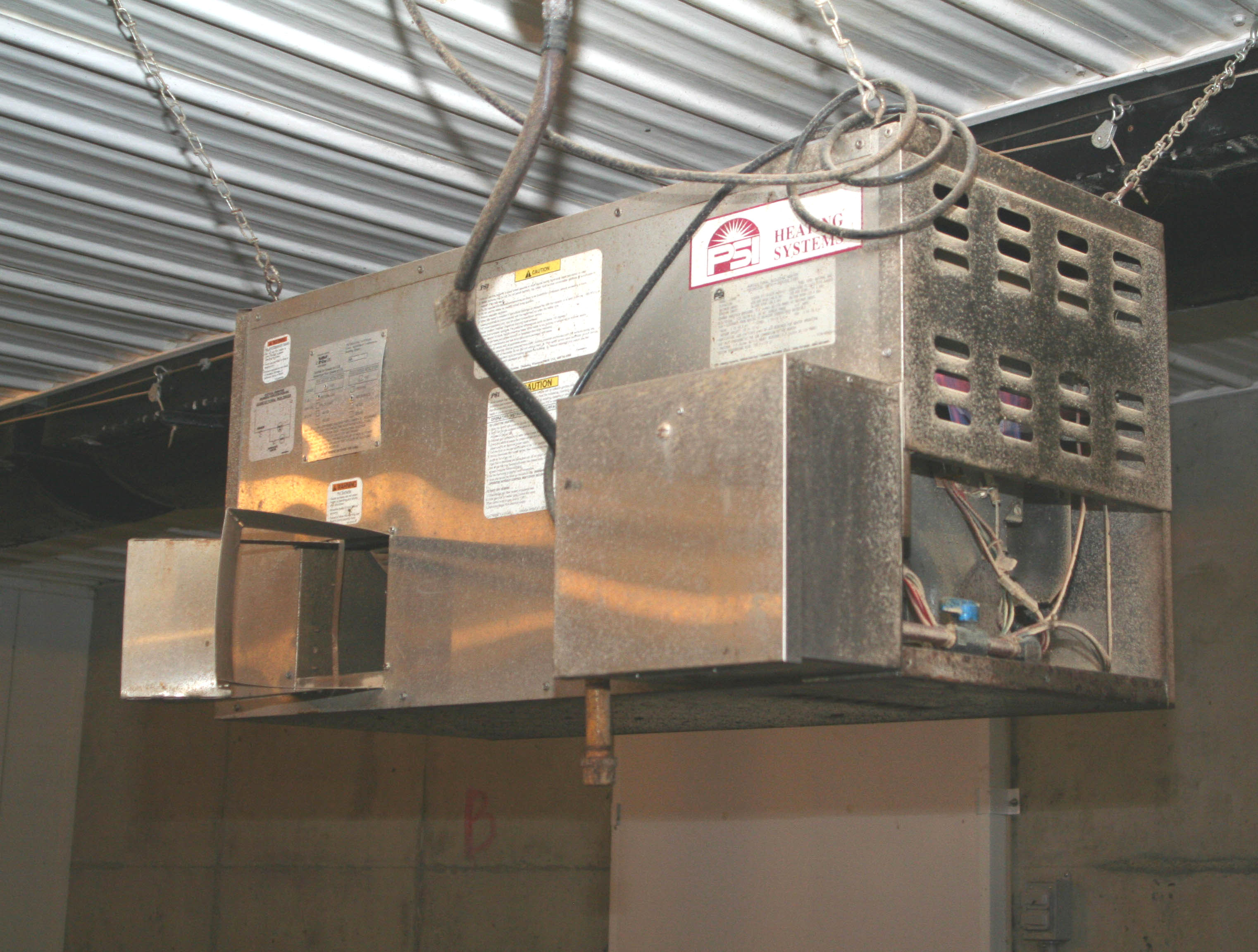 Room preparation and setup prior to pig arrival is the final step. Set feeders in place and tie down feed spouts. Replace all rods that may have been removed for cleaning. Damaged feeders and other equipment should be fixed and other required maintenance carried out as needed. Water cups or nipple drinkers should be checked to ensure clear water supply, adequate flow rate, and they are adjusted to the correct height for the incoming pigs. Rooms should be pre-warmed before the pigs arrive, with controllers and inlets set for new pigs.
3. Piglet care and management during the first 48 hours
The first challenge of the newly weaned pig is finding feed and water. Right after weaning weaned pigs exhibit feeding behavior similar to nursing the sow where all go to the feeder at the same time. Many producers use feeding mats or trays for the first few days post-weaning on which feed is placed multiple times per day in addition to feed being available in the feeder. It is important that feed mats or trays have 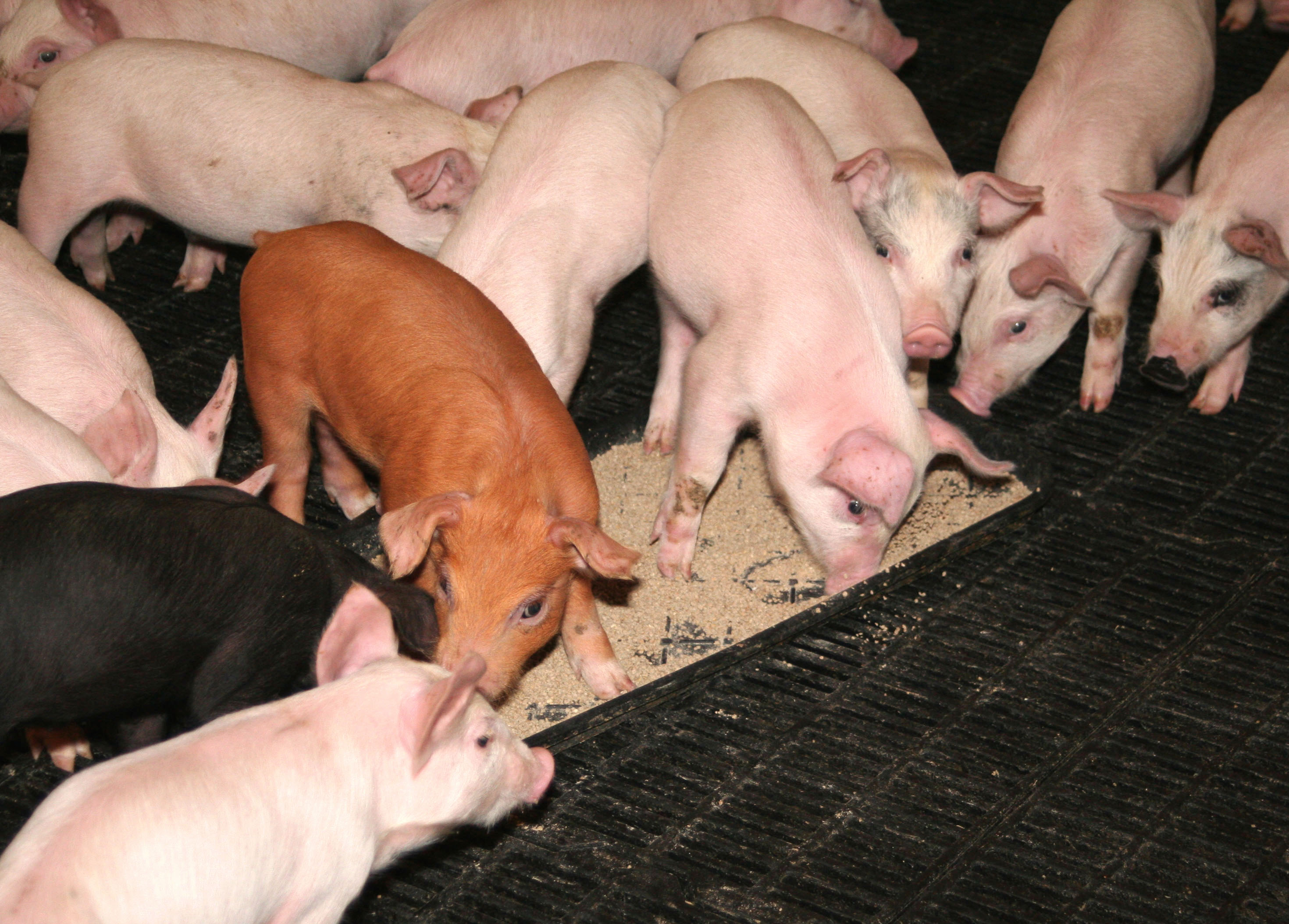 a lip or rim on them to prevent piglets from pushing the feed off into the pit and limited to use for 1-3 days as feed wastage tends to be higher compared with when pigs eat from a conventional dry feeder. Teaching feeding behaviour to pigs that do not start up on feed is critical during the first 24-48 hours. This involves identifying the pigs not eating, taking a small handful of feed, wetting it with water and placing in the pig’s mouth. The moist feed will stick to the pigs tongue and it will swallow it. Gently place the pig at the feeder so the pig associates food in its mouth with the feed in the feeder. Water intake is critical to the newly weaned pig. Nipple drinkers or cups should be easily accessed during the first few days after weaning. Water pressure should be < 20 psi. Water should be allowed to drip during the first 12 hours so pigs can find water more easily. Monitor pig lying behaviour to ensure pigs are warm and comfortable. If pigs are lying on their side through the pen this is a good indication that room temperature is correct for the age and weight of pig, however, if pigs are huddled on top of each other this indicates they are too cold.
4. Diets and feeding program
Our objective when designing diets is to maximize feed intake and performance while minimizing feed cost from weaning to 25 kg. In formulating diets for weaned pigs a number of important principles to adhere to:
1) For a cost effective feeding program we must adjust pigs to the simplest and relatively lowest cost diets (grain and soybean meal) as quickly as possible after weaning.
2) A newly weaned pig is in a very energy dependent stage of growth and maximizing feed intake is very important.
3) Early diets need to contain ingredients that are highly digestible (fishmeal, whey powder, etc) due to the limited digestive enzyme capacity of newly weaned pig.
Regardless of the phase feeding strategy a producer decides to use, development of a proper feed budget will help keep nursery feed cost competitive. The budget should be adapted to the age and weight of pig for each particular nursery. Strict adherence to the feed budget is critical to prevent feeding the expensive diets after the desired weight range is reached. A common mistake in the field is overfeeding of the more expensive diets, which results in high feed cost in the nursery. Feed budget monitoring target vs actual usage per pig is very important for all barns to ensure budgets are being correctly followed. A suggested feeding program based on pig age at weaning is outlined in Table 2.
|
Table 2: Feeding program based on pig age at weaning, kg/pig. |
|||||||
|
|
|
|
|
|
|
||
|
|
|
Weaning age, days |
|
||||
|
Diet |
Cost, $/T |
15-17 |
18-21 |
22-24 |
25+ |
% |
|
|
|
|
|
|
|
|
|
|
|
SEW |
1,000 |
0.5 |
0.25 |
0 |
0 |
0-2 |
|
|
Starter 1 |
750 |
2.5 |
2.5 |
2.0 |
0 |
0-8 |
|
|
Starter 2 |
450 |
7.0 |
7.0 |
7.0 |
7.0 |
22.0 |
|
|
Starter 3 |
260 |
15.0 |
15.0 |
15.0 |
15.0 |
47.0 |
|
|
Pre-grower |
230 |
7.0 |
7.0 |
7.0 |
7.0 |
22.0 |
|
|
|
|
|
|
|
|
|
|
5. Ingredient quality and diet manufacturing
In selecting specialty ingredient sources for early nursery diets it is important to remember that all sources are not equal and this is very much the case when we consider whey powder or permeate and fishmeal. There can be very significant differences in quality of different sources of the former products. We normally specify that only an edible grade whey powder or permeate be used in early-weaned pig diets. The main concern with some of these sources is the type of drying process (drum vs spray dried) used and in some cases blending of different grades of products occurs. The newly weaned pig is sensitive to differences in ingredient quality and will respond (feed intake and growth rate) accordingly if quality is sub-optimal.
Another important and integral part in the manufacture of high quality starter diets is avoiding cross-contamination of ingredients and feed in the feed mill. Weaned pigs are very sensitive to non-desirable ingredients such as canola meal, screenings, urea, etc and will reduce feed intake even with very small quantities of these ingredients getting into starter diets. Some potential areas of concern for cross-contamination in commercial feed mills are receiving pits, ingredient weigh scales, and out-loading bins.
6. Diet composition and cost transparency
Like all other phases of production it is important that producers have full transparency in terms of diet composition, all ingredient costs, and toll manufacturing rate for all nursery diets. In my experience it has not been uncommon for us to increase nursery margin over feed cost by $1-3 per pig for some new clients by in part giving full transparency on diet composition, ingredient costs, and setting a toll rate and monitoring ingredient costs monthly with a feed mill for nursery diets.
7. Feeder type and management
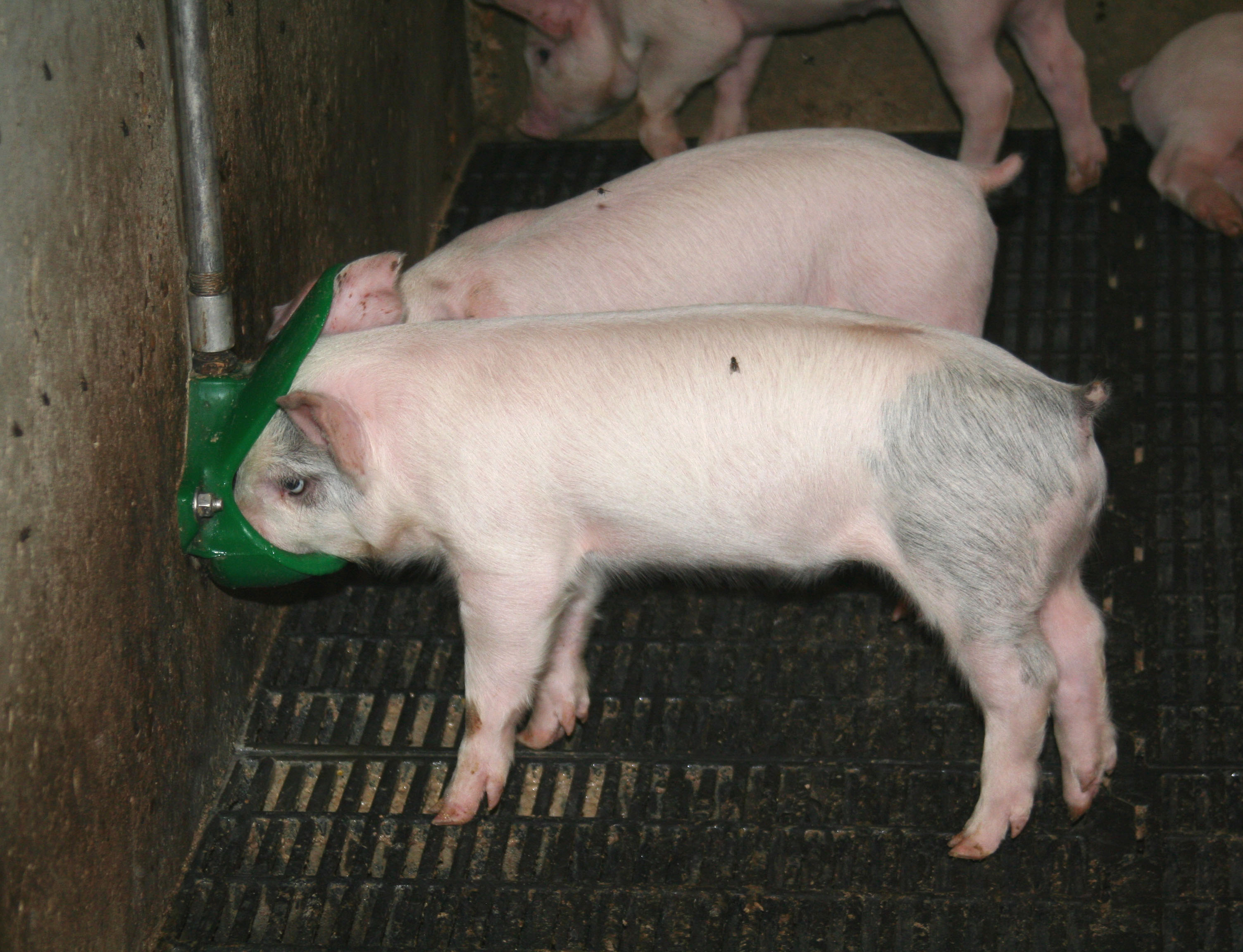 Feeder type and management can have a very significant impact on pig performance and feed cost in the nursery. A trial conducted at Agricultural Institute of Northern Ireland by O’Connell et al. (1999) comparing different nursery feeders found some interesting differences. They compared 4 different feeder types (Dry multi-space, Wet and dry multi-space, Maximat (Echberg), Lean Machine (similar to Domino), and Verba) for the nursery. They found a trend for improved growth rate for the dry and wet and dry multi-space feeders, due to the higher level of feed intake compared with the other feeders. Feed conversion was poorer with the wet and dry multi-space than the dry multi-space feeders, which resulted in a $1.16/pig higher feed cost between 4 and 11 weeks of age. They also noted that the wet and dry multi-space feeders were more difficult to manage. Based on the research and commercial experience economic and biological performance is optimized in the nursery with a multi-space dry feeder.
|
Table 3: Performance by feeder type during the nursery (4 to 11 weeks of age) |
|||||||
|
Parameter |
|
Dry multi- space |
Wet & dry multi space |
Maximat |
Lean Machine |
Verba |
P |
|
|
|
|
|
|
|
|
|
|
Feed intake, g/d |
|
897b |
951c |
863ab |
839a |
824a |
*** |
|
ADG, g/d |
|
598 |
605 |
577 |
572 |
575 |
NS |
|
Feed:gain |
|
1.50b |
1.58c |
1.49b |
1.47ab |
1.42a |
*** |
|
|
|
|
|
|
|
|
|
|
|
|
|
|
|
|
|
|
Feeder management can and does have a very significant impact on feed efficiency and cost in the nursery. Feeder type and diet form will also dictate how frequently and how aggressively feeders need be adjusted. For a dry multi-space feeder we aim to see no more than 20% of the pan covered with feed. Feeders need to be checked daily and adjusted as required.
8. Standing Operating Procedures and Training
Having standing operating procedures (SOP) clearly detailed and in place for pig husbandry, barn management, pig health care, and feed management is important to achieve economic and biological performance targets. In addition ensuring all barn staff clearly understands the SOPs and what is required from them daily is an integral part of this. Training for new staff members, which includes reviewing and ensuring they understand SOPs is an equally key part in helping to ensure targets are achieved. A review process needs to be put in place whereby daily procedures are reviewed quarterly to ensure SOPs are being implemented as set out.
9. Performance analysis
Reviewing performance at the end of each batch for AIAO or month (for previous 3 or 6 months) for continuous flow barns is important to know if biological and economic targets are being achieved. Performance data should be adjusted for explainable sources of variation such as exit weight. Failure to maintain accurate performance data for the nursery will leave it impossible to determine if targets are being achieved and where efforts need to be focused to make up short falls.
Photo captions:
Nursery heater – Prior to placing pigs in the nursery, the heating system should be checked and cleaned
Nursery_pigs_feeding-2 – Offering feed on trays for the first few days after weaning increases feed intake
Water bowl-1 – Fixing drinkers at the correct height for newly weaned pigs is important to ensure good water intake
The effect of perceived environmental background on qualitative assessments of pig behaviour
Posted in: Production, Welfare by admin on | No Comments
Qualitative behaviour assessment is an integrative methodology that characterizes behaviour as a dynamic, expressive body language (e.g. as anxious or content). Such assessments are sensitive to environmental context, which makes them informative but also vulnerable to observers’ biased views of that context. This study investigated whether and how perceived environmental background affects observers’ qualitative assessments of pig behaviour. Fifteen growing pigs were filmed individually against a neutral background while interacting with a novel object. The footage of each pig was digitally isolated from that background and pasted against indoor and outdoor backgrounds filmed in real time. The 30 video clips thus obtained were shown to 16 observers, who were led to believe these were 30 different pigs filmed in either an indoor or an outdoor pen. Free-choice profiling was used to instruct observers in qualitative behaviour assessment, and data were analysed with generalized Procrustes analysis. Analysis of variance found a significant effect of environmental background on pig scores on the second consensus dimension (confident/content–cautious/nervous), but not on the first (playful/active–bored/lethargic). However, 95% confidence intervals and indexes for the variability attributable to environmental background, calculated for both consensus dimensions, indicated that any such effects should be relatively small. High correlations were found between indoor and outdoor pig scores on both consensus dimensions (r >/ 0.95). Together these results suggest that environmental background may slightly shift, but is unlikely to seriously distort, observer characterizations of pig expression. Last, we discuss possible strategies for reducing the effect of contextual bias on qualitative behaviour assessment.
The effect of perceived environmental background on qualitative assessments of pig behaviour
Pigs learn what a mirror image represents and use it to obtain information
Posted in: Environment, Production, Welfare by admin on | No Comments
Mirror usage has been taken to indicate some degree of awareness in animals. Can pigs, obtain information from a mirror? When put in a pen with a mirror in it, young pigs made movements while apparently looking at their image. After 5 h spent with a mirror, the pigs were shown a familiar food bowl, visible in the mirror but hidden behind a solid barrier. Seven out of eight pigs found the food bowl in a mean of 23 s by going away from the mirror and around the barrier. Naïve pigs shown the same looked behind the mirror. The pigs were not locating the food bowl by odour, did not have a preference for the area where the food bowl was and did not go to that area when the food bowl was visible elsewhere. To use information from a mirror and find a food bowl, each pig must have observed features of its surroundings, remembered these and its own actions, deduced relationships among observed and remembered features and acted accordingly. This ability indicates assessment awareness in pigs. The results may have some effects on the design of housing conditions for pigs and may lead to better pig welfare.
Pigs learn what a mirror image represents and use it to obtain information
Use of Dried Distillers Grains with Solubles (DDGS) in swine diets
Posted in: Production by admin on | No Comments
Introduction
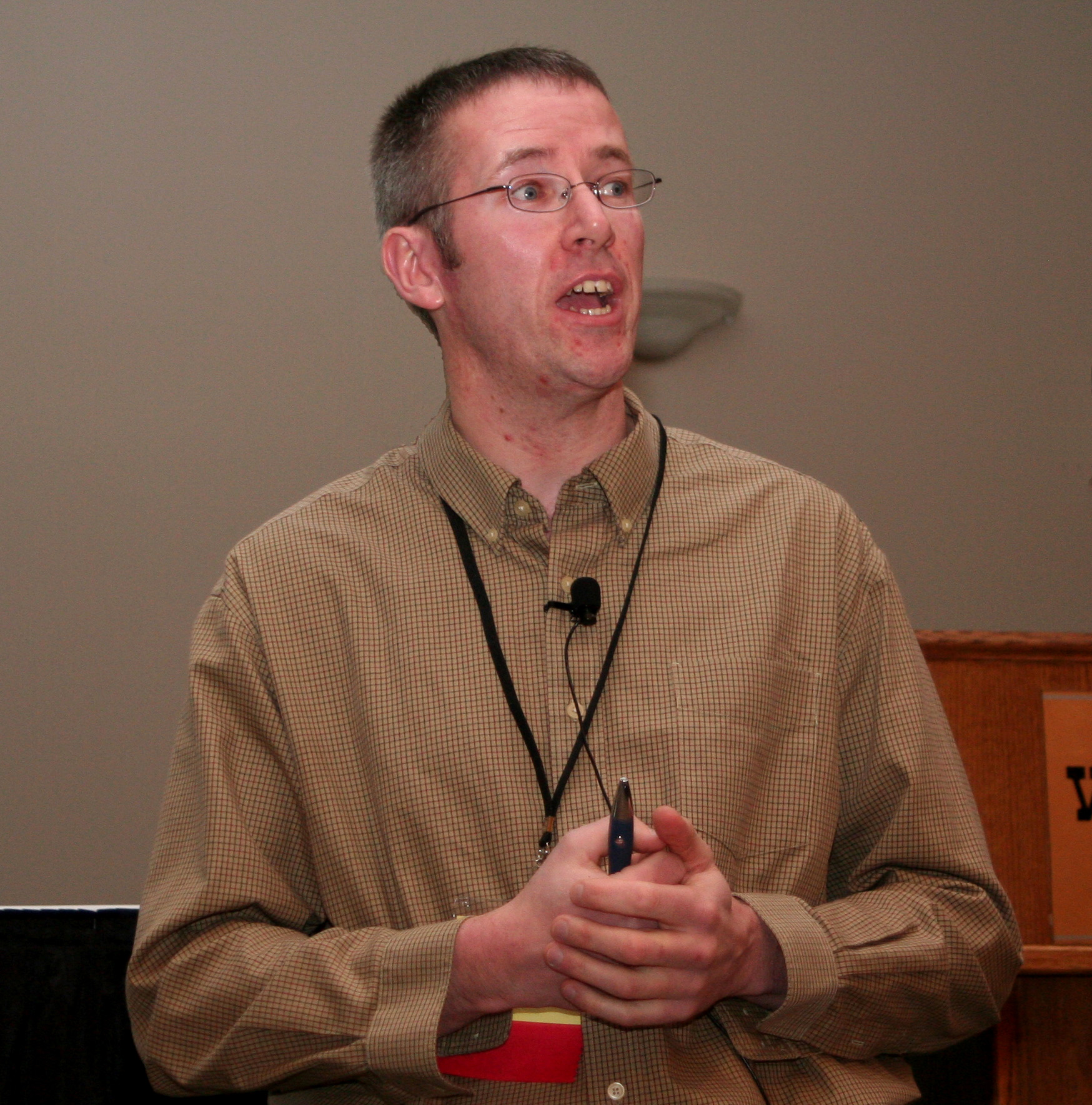 The rapid expansion of the North American ethanol industry has resulted in a large increase in the price of cereal grains. Grain prices have been further fuelled by low yields of wheat due to droughts in certain parts of the world. Crop farms have historically produced grain crops for food for people and livestock. The ethanol industry is adding a third major use. With the large increase in feed costs we have experienced in Canada in recent months it is important we consider and optimize the use of alternative ingredients if we are to keep our feed costs in check. Dried Distillers Grains with Solubles (DDGS) is one such product and a co-product of ethanol production. As the ethanol industry in North America has expanded, there has been a subsequent increase in the production and availability of DDGS.
Dried Distillers Grains with Solubles (DDGS)
Cereal grains including barley, corn, rye, sorghum, and wheat can be used for producing ethanol and subsequently DDGS. However, corn and, more recently, wheat have been the major grains of choice for ethanol production in North America. The interest in DDGS is mainly due to the three-fold increase in the concentration of nutrients (protein, fat, vitamins and minerals) in the DDGS compared with its parent grain, which could potentially make DDGS a better feed ingredient (Table 1). The nutrient profile of corn DDGS is quite different from wheat DDGS. Corn DDGS contains more fat, while wheat DDGS is higher in crude protein. Some considerations to take into account when purchasing DDGS are:
- Quality and consistency of the final product
- Ease of handling (loading & unloading) and transport
- Incidence of mycotoxins – is the plant testing and how often?
- Nutrient profile of DDGS – total fat, protein, fibre content, etc.
- Amino acid content and availability.
- Know plant where sourcing from – all sources are not the same and there can be large differences between sources in nutrient content and value.
Nutrient composition of DDGS
 DDGS is a source of protein, energy and available phosphorous to swine diets and will replace a portion of the grain, protein source(s) and supplemental phosphorous. It is important to remember that that DDGS products are still evolving, which emphasizes the importance of knowing the source you are using as it is likely a much different product than sources produced from older generation plants 3-5 years ago. In corn DDGS, the crude protein can range from 22 to 32%, while total lysine ranges from 0.40 to 0.99%, whereas in the wheat-based DDGS, the crude protein ranges 23 to 37%, while total lysine ranges from 0.49 to 0.94% (Payne 2007). Typical levels of the most important nutritional components of corn and wheat DDGS are shown in Table 1 and compared with the levels in corn and wheat.
Table 1: Nutrient profile of wheat, whet DDGS, corn and corn DDGS as fed
Item Wheat Wheat Corn Corn
DDGS1 DDGS1
Moisture (%) 12.0 9.8 11.0 11.9
Protein (%) 13.5 35.0 8.3 27.2
Fat (%) 1.9 6.0 3.9 9.5
ADF (%) 4.0 13.6 2.8 9.9
NDF (%) 13.5 33.1 9.6 25.3
Total lysine (%) 0.34 0.90 0.26 0.85
Av. phosphorous (%) 0.19 0.39 0.04 0.52
ME, Mcal/kg 3.21 2.97 3.42 3.34
NE, Mcal/kg 2.54 2.00 2.73 2.45
1 New generation ethanol plants
If we look at the amino acid availability for corn DDGS and specifically lysine, which is the first limiting amino acid for swine, we observe a large range in lysine digestibility between sources (Table 2).
The variation in lysine content and digestibility can be attributed to a number of factors:
1) Variation associated with parent grain due to variety, regional or environmental differences, drying and storing.
2) Perhaps the most significant reason is the variation in the drying process from one plant to the next for the DDGS. Drying temperature can range 120 to 620 oC and if not controlled effectively, over-heating can cause significant damage and renders lysine and other heat susceptible amino acids unavailable to the pig post digestion.
Table 2: Concentration and digestibility of crude protein and amino acids in 36 samples
of corn DDGS
Standard ileal digestibility (%)
Item Average Av. High Low CV
Crude protein (%) 27.5 72.8 63.5 84.3 7.32
Lysine (%) 0.78 62.3 43.9 77.9 12.2
Methionine (%) 0.55 81.9 73.7 89.2 5.0
Threonine (%) 1.06 70.7 61.9 82.5 7.4
Tryptophan (%) 0.21 69.9 54.2 80.1 10.0
Isoleucine (%) 1.01 75.2 66.5 82.6 6.3
Valine (%) 1.35 74.5 65.8 81.9 6.3
From: Stein et al., 2006
The low digestibility of lysine is often associated with low analyzed total lysine in the sample. Calculating the lysine to crude protein ratio gives an estimate of the quality of the lysine in the sample. If the lysine to crude protein ratio is 2.80% or greater for corn DDGS then this sample has an average or above average quality, but if the ratio is lower than 2.80%, then it has reduced quality. Because lysine is usually the first limiting amino acid in diets fed to swine, corn DDGS samples with a lysine to crude protein ratio that is less than 2.80 should not be used in swine diets. Because wheat DDGS is a relatively new product there are few published reports that provide estimates of amino acid digestibility for swine and those available are with product from older generation plants that may not be representative of product available today from the new generation plants.
The digestibility of phosphorous in the DDGS is greater than in the parent grain and may be a result that some bonds that bind phosphorous to the phytate complex in the parent grain have been hydrolyzed during the fermentation process in the ethanol plants, which makes more phosphorous available for absorption. If DDGS is included in swine diets this reduces the need for supplemental inorganic phosphorous and decreases the amount of phosphorous that is excreted in the manure. Because of the variation among sources of DDGS it is recommend that producers examine the concentration of nutrients in the product before buying DDGS. A suggested checklist for corn DDGS is outlined in Table 3. In addition it is recommended that assurances be sought for the absence of mycotoxins in DDGS before it is purchased.
Table 3: Checklist when buying corn DDGS
Item Minimum Maximum
Crude protein (%) 27.0 —
Fat (%) 9.0 —
Phosphorous (%) 0.55 —
Lysine (%) 2.80 % of crude protein —
ADF (%) — 12.0
NDF (%) — 40.0
From: Stein et al., 2006
Feeding recommendations for DDGS
Many feeding trials have been carried out over the past 5 years with corn DDGS in the US to determine the maximum feeding level for different ages of swine. We conducted a grow-finish feeding trial at a commercial research barn in Irma, AB with corn DDGS sourced from a new generation ethanol plant in Minnesota. The feeding trial found we could feed up to 25% corn DDGS from this new generation ethanol plant and achieve similar biological performance as with a typical Western Canadian diet without corn DDGS (see WHJ Spring, 2007, page 38). From a number of research trials comparing corn DDGS to a corn soybean meal control diet it is suggested that yield or dressing percentage declines as pigs are fed increasing levels of DDGS. It is believed that the higher fibre and/or excess protein in the diet with increasing DDGS levels in the diet are involved with the reduction in dressing percent. Thus, it is important that this be taken into account when calculating the net return to using DDGS and in the decision whether to use DDGS. As a lot of the feeding trials were conducted using corn DDGS sourced from different ethanol plants with some major differences, corn source, old versus new plant (technology), drying process, etc many of the feeding trials come up with different feeding recommendations.
For the most part, if the corn DDGS is purchased from a plant which is taking due care sourcing good quality grain, which has a controlled drying process of the DDGS and where regular nutrient analysis and mycotoxin screening is being conducted, the following are suggested feeding levels:
- Late nursery – 10-15%
- Grower and finisher – 20%
- Dry sow – 20-25%
- Nurse sow – 10-15%
Because of the severe negative long term impact mycotoxins can have on sow reproductive performance it is recommended that regular screening for mycotoxins of DDGS be conducted to ensure mycotoxins are absent or at very low levels. It is very important that producers choose carefully when sourcing DDGS as quality varies from plant to plant. In addition if you are purchasing DDGS through a broker that you know the plant where the DDGS is being sourced from and that the broker is clear that he needs to receive approval from you or your nutritionist to change source.
There is not a lot of research information here in Canada on feeding wheat DDGS to swine. Some of the initial studies have been conducted using wheat DDGS with reduced protein quality and suggest that increasing levels of wheat DDGS may reduce feed intake and growth performance (Thacker, 2006). For some of these trials, diets were not formulated on an NE and digestible amino acid basis, which may have contributed to the reduced growth performance. Contrary to this, research from the Netherlands (Cited by Zijlstra 2007; Smits 2007, personal communication) with diets formulated on a NE and digestible amino acid basis using high quality wheat DDGS found that they can include up to 15% in the diet with no impact on performance. We expect that wheat DDGS sourced from new generation ethanol plants which have taken due care in sourcing good quality wheat, and have a controlled drying process for the DDGS will produce a good quality DDGS. However, it will be important to characterize the quality of the source before using.
Conclusions
With the continued expected growth of the ethanol industry in North America and the resulting availability of corn and wheat DDGS there will be increased availability for and use of DDGS in swine diets. However, considering the variation in nutrient content it is extremely important that producers are informed as much as possible about the source of DDGS to be purchased or being used as all sources are not equal. It is recommended that proper quality control guidelines (minimum specification, nutrient analysis, mycotoxins screening, etc) be put in place and be conducted on a regular basis to allow diets to be adjusted as needed to avoid risking animal performance.
References:
Payne, R. 2007. Current knowledge on Distillers Grains in Animal Nutrition. Eastern Nutrition Conference.
Stein, H. 2007. Distillers dried grains with solubles (DDGS) in diets fed to swine. Swine Focus.
Thacker, P. A. 2006. Nutrient digestibility, performance and carcass traits of growing-finishing pigs fed diets containing dried wheat distillers grains with solubles. Can. J. Anim. Sci. 86:527-529.
Zijlstra, R., G. Widyaratne, and E. Beltranena; 2007. Characterization of Wheat DDGS and Feeding to Swine. Western Nutrition Conference 2007. pp 207-213.
Photo captions:
- Malachy_Young-1 – No caption required, just place at start of article
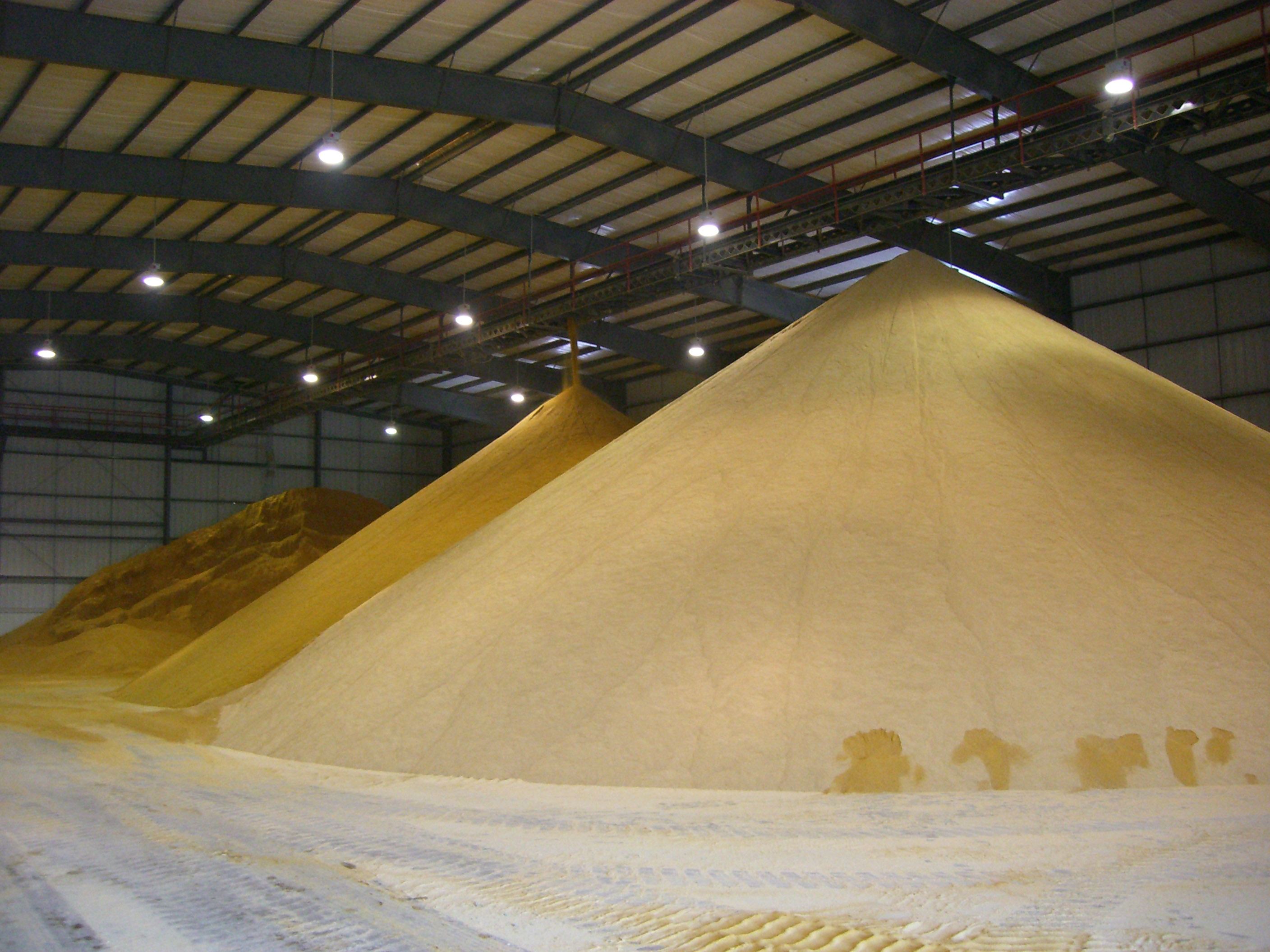
2. DDGS in store DDGS is becoming increasing available to Canadian pig producers but quality should be monitored
Industry Crisis – Census confirms producer devastation
Posted in: Economics, Prairie Swine Centre by admin on | No Comments
The April census data showed the extent of the devastation being wreaked in the Canadian pork industry, with almost one-fifth fewer (19.3%) producers than in the same month of 2007. Total pig numbers for the country were down 11.7%, indicating that the exodus was mainly among the smaller producers. Atlantic Canada showed the biggest drop in total pig numbers, with a massive 25.5% drop and Alberta and Saskatchewan both showed a 16.8% reduction. Other than British Columbia’s fall of 6.9%, the lowest drop in numbers was in Quebec, where the ASRA program helps to maintain hog prices.
Table 1: Percentage change in pig numbers – April 2007 to April 2008
CAN AB SK MB
Total pigs -11.7 -16.8 -10.3 -2.0
Breeding stock -4.6 -7.1 -3.3 -1.4
Other pigs
< 20kg -9.6 -15.4 -7.8 -5.3
>20kg -17.2 -19.1 -22.1 -13.7
In the western provinces breeding pig numbers dropped most in Alberta, at 7.1%, while Manitoba had just a 1.4% reduction in sows, gilts and boars. However, in the East, Ontario fell 7.9% while, as might be expected, Quebec was the lowest with 2.9% fewer breeding animals. The under 20kg category showed substantial reduction in numbers in Alberta, BC and Ontario, with -15.4%, -25.2% and -14.4% respectively, while losses were lower in Manitoba (-5.3%), Saskatchewan (-7.8%) and Quebec (-5.0%). Reflecting the huge trend towards shipping young pigs south of the border, Saskatchewan’s pigs in the over 20kg category fell by 22.1% and Alberta’s by 19.1%, while Manitoba’s numbers fell by 13.7%. During the first 3 months of 2008 an estimated 2.9 million pigs were exported, a 25.9% increase over the same period last year. At the same time, domestic slaughter of hogs slipped 1.1%, although this number is likely to increase sharply as supplies of market hogs dry up.
All eyes will be on the July census figures, which are likely to show further reductions. Although anecdotal evidence suggests that the number of producers making the decision to leave the industry is now far fewer, it will likely be another six months before pig numbers stabilize.
Prairie Swine Centre suspends operations at Elstow unit
Reflecting the current malaise in the pork industry, the Prairie Swine Centre announced on May 9th that its PSC Elstow Research Farm would be suspending operations due to the unprecedented losses in the pork business. The unit, a 600-sow farrow to finish barn, designed to support research work in a commercial-style barn, opened in April 2000. The mandate of the facility is to address the needs of the pork industry for research work using a size and scale typical of the commercial industry. Research to address these needs will continue to be the focal point at the remaining Prairie Swine Centre facilities.
Dr. John Patience, President and CEO of PSC Elstow Research Farm, acknowledges the magnitude of the disappointment and distress this decision has on its employees, as well as on the staff at Prairie Swine Centre, and indeed on the broader Canadian pork industry. “The fact that all pork farms in Canada and virtually every other pork producing nation in the world are being devastated by the current market conditions is little solace to the many people who have worked hard to operate the farm and have come to rely on the knowledge generated from the research conducted there”. “We have long-term confidence in the future of the Canadian pork industry as a favoured supplier to meet the growing demand for the world’s most popular meat protein; however the particular circumstances of this barn make it unviable in the short-term. From the beginning, the strength of this business was its mirroring of real commercial production conditions. In the end, these parameters such as debt structure, the devaluation of the US dollar upon which Canadian pork prices depend, unprecedented increases in grain and protein meal prices and underestimating the impact of research functions on an operating farm has resulted in this business decision to suspend operations until conditions improve.”
In spite of this setback, a new initiative started over two years ago is now complete. The $2 million renovation at the original barns located at Prairie Swine Centre will reduce operating costs, making the farm a more competitive pork producer.
Alberta strategy focuses on added value and better marketing
The final draft report on the Alberta pork industry’s revitalization strategy is now completed and details were presented to the province’s pork producers at two open industry meetings at the end of May.
“This strategy is about leading our industry in a new way,” says Herman Simons, Alberta Pork chairman and Tees, Alta. pork producer. “It’s called ‘The Way Forward’ because our industry is in unprecedented distress and we believe that we need to develop new options if pork producers are to survive this distress and have sustained profitability in the future.”
The strategy was developed by Toma and Bouma Management Consultants and the George Morris Centre, who in turn consulted with appropriate resources both nationally and internationally. The first pillar of this broad analysis, a state-of-the-union report, was completed in March and made available to producers. The report, entitled “The Way Forward, The Situation Assessment of the Alberta Pork Industry,” outlined the situation the industry faces and reviews developments from around the world as a basis for evaluating new options.
“The second pillar report, which is just being released, is the actual strategy for moving ahead with repositioning our product in the marketplace,” says Simons. “The Alberta Pork board has reviewed the draft document, but before we move through final approval, we wanted to give producers an opportunity for direct input. This will be important as we work together with industry stakeholders to implement this strategy.”
The strategy vision, he says, is a highly connected pork industry capable of delivering differentiated, high quality, safe pork products in a sustained manner, with the flexibility to respond to continually changing markets and market conditions. The strategy seeks to move the industry out of the highly competitive and unprofitable production of low-cost bulk pork products. Instead, the industry focus will be on producing high-value pork products in demand by consumers in domestic and global niche markets.
The repositioning strategy basically covers four areas, says Simons. First is to establish system integrity in production, processing and marketing to create a highly connected industry through proactively managed supply chains between the processing sector and producers.
Second is to develop new product marketing capability, the establishment of new business-to-business skill sets that develop long-term supply relationships with a set of targeted markets and customers.
Third is to address cost challenges by developing strategies to reduce the two major cost items facing pork production: feed grains and labour.
Finally, the goal is to create a favourable business environment, ensuring that the industry has the necessary public and private services, tools and instruments to successfully compete in a global meat industry.
“We realize this is not an easy path to the future for pork producers and that there are no simple solutions to our challenges,” says Simons. “However, the report has identified several strengths within our industry and we have confidence in the ability of our producers and processors to work toward capturing those in a realistic fashion.
USDA agrees to help US pork producers
The US National Pork Producers Council (NPPC) commended the Bush administration for its decision to lend assistance to US pork producers to help them weather the current economic crisis in the hog business and announced in May. The US Department of Agriculture (USDA) is purchasing up to US$50 million of pork products, which will be donated to child nutrition and other domestic food assistance programmes.
NPPC representatives had previously met with agriculture secretary Ed Schafer to urge him to take immediate action to address a crisis that over the past seven months has cost the pork industry more than $2.1 billion, says a news release from the producer organization.
Economists have estimated that the industry will need to reduce production by at least 10% – meaning a reduction of 600,000 sows – to restore profitability. Such a cutback, however, could result in less-efficient packing plants closing, less manure for crop fertiliser and correspondingly a need for more man-made, foreign-produced fertiliser, a hike in pork retail prices because of a smaller supply and lost jobs, says the NPPC.
“The action by USDA to buy additional pork will benefit America’s pork producers, the US economy and the people who rely on the government’s various food programs,” said NPPC president Bryan Black. “It will help our industry reduce the herd and thereby bring supply and demand back into balance and allow producers to continue to provide consumers with economical, nutritious pork.”
EU production falls and prices increase
There now seems to be some light at the end of the tunnel for European pig producers following a reduction in herd size in most countries. This has now led to strengthening prices, although industry leaders have pointed out that there is still a long way to go before producers are profitable again. Reports predict that pork production within the EU as a whole will be 4.1% lower in the final quarter of the year compared to 2007.
British pig production, with its high production costs, is still under major pressure and sow culling has been running at the highest level in Europe. In January the number of breeding stock slaughtered rose by 46%; in February, the increase in comparison to 2007 was 40% and March saw a growth of 18%. Having halved in size over the last 10 years, the industry looks set to shrink even more.
Prince Charles waded into the battle British producers are having with supermarkets to get a fair share of the retail price of pork. “My heart goes out to all those farmers who are facing such desperate problems as a result of the huge rise in feed costs,” said Prince Charles in a message to the pig industry. “Thanks to the enormous efforts of BPEX (British Pig Industry Executive) and the National Pig Association, there is a growing awareness of the problem, and those retailers who are raising their prices as a result should be congratulated. However, little, if any, of the increase is being passed down the chain to the farmers and, unless urgent action is taken, this country’s pig sector, which has never received subsidies, could be decimated. This would be a tragedy for this country which produces some of the finest quality pigs and which operates according to the highest standards of husbandry and animal welfare,” said the letter.
Spain, the second largest producer of pigs in the EU, is also feeling the pinch, according to pig industry association Anprogapor, which says its members are struggling with rising feed costs. It estimates that 15 per cent of the 70,000 pig producers in Spain have now ceased production. Production costs are currently around €1.20 per kilo of delivered weight, while market prices half-way through 2007 were reaching around €0.90, says a report.
Anprogapor says the situation is unsustainable and that around 200,000 sows have been taken out of production. The result has brought an increase in market prices, but it is not high enough for more farmers to reach profitable levels.
A four-year long drought is exacerbating the situation and provincial governments continue to press for water supplies to be drafted in from neighbouring countries such as France.
Danish producers have always taken a long-term view of the ups and downs of the hog cycle, but their confidence appears to have been shaken by events over the past year. Urged by their industry leaders to stick it out until prices improve, many have decided enough is enough and quit the business. Total pig numbers were down by 10.4% in April 2008 compared with the same month last year, with a similar drop in the number of sows.
Australian shock at lack of government support
Australia’s pig farmers expressed shock when their hope of import safeguards and extra support for the industry were dashed with the publication of the final report to the Federal Government from the Productivity Commission (PC), which was looking into the effect of cheaper imports on the poor profitability of producers.
Australian Pork Limited (APL) CEO Andrew Spencer said that the industry is imploding due to cheap imports of frozen pig meat. Added to this situation is high grain prices that are making local production completely unviable, he said. “To continue to ignore the fact that all of Australia’s pork imports come from countries that actively subsidise their pig farmers and their pork industry with tax payers funds, laughs in the face of fair trading conditions and a free trade environment.” Mr Spencer said 70 per cent of bacon and ham are sourced from overseas countries. Despite the high levels of on-farm efficiencies gained by Australian pig farmers over the past five years, Mr Spencer said the industry cannot compete in “this distorted, totally unbalanced trading environment”.
Single dose therapies can help control disease
Posted in: Production, Welfare by admin on | No Comments
Producers know all too well how quickly disease can spread in a herd, not to mention the dramatic impact it can have on their profitability. Swine respiratory disease (SRD) is costly to North American producers in terms of productivity losses, medication and labour. Clearly, controlling disease is key to running a profitable operation. Producers can take control through good preventative health management practices and by incorporating new drug therapies, such as single dose anti-infectives, into their disease protocols.
Disease treatment – Why single dose therapies?
Water and feed medications are commonly used in hog operations and certainly have their place in the treatment cycle. However, when pigs are sick, they usually eat and drink less so it can be difficult to ensure each pig receives the correct amount of medication.
Single dose therapies provide a better alternative in many cases. From a practical standpoint, when a complete treatment of anti-infective therapy is contained within a single dose, the animal gets all the medication it needs at once, saving you time and money. There is also the advantage of reduced stress on the animal. Why risk exacerbating an already sick and stressed animal by using a multiple-dose treatment when a single one is available?
By its very nature, single dose administration also ensures compliance, i.e. following veterinary recommendations. You could say that compliance is “built-in”. Not following a medication’s directions can create unnecessary problems. For example, when a sick pig begins to look better, producers may be inclined to stop treating the animal. This is an easy mistake to make, but the repercussions can be serious and may hinder the animal’s recovery and lead to relapse. Additionally, the development of antimicrobial resistance is a potential threat in under-dosed animals.
The moral of the story is that to make the most of anti-infective therapies and minimize the costs and impact of disease, it is vital to follow the correct dosage and recommended duration of therapy. These two success factors are easily achieved with a single dose product allowing you to focus on other management issues.
Disease prevention – herd health management protocols
Disease treatment will likely always be part of your routine; so should herd health management protocols. Why? Remember the old saying that an ounce of prevention is worth a pound of cure. Adopting herd health management protocols can help to prevent disease from occurring in the first place and help producers and barn employees recognize the symptoms when disease does occur.
Producers can take certain steps to ensure their barn environment is as healthy as possible, minimizing the stress on animals. For example, barns should be constructed to maximize comfort including protection from drafts, moisture and variable temperatures. Animals should also have access to food and fresh, clean water at all times. Your veterinarian can provide other suggestions and assist you in developing a herd health program that’s right for your operation.
As effective as single dose therapies can be in treating and controlling the spread of disease, they only work to their full potential if a producer follows proper herd health management protocols. By doing both, you can help ensure the continued good health, performance and optimal profitability of your herd.
Dr. Don McDermid is Manager of Veterinary Services – Swine, at Pfizer Animal Health Canada
Group housing sows in Europe
Posted in: Production, Welfare by admin on | No Comments
In the UK all newly weaned and gestating sows have had to be kept in group housing systems since 1999 following a 7 year conversion period. The EU introduced legislation in 2001 that banned the construction of new individual confinement systems from 2003 and will make all existing sow stall housing illegal in 2013.
The UK legislation enforces a ban on confinement (apart from the week pre-farrowing and through to the day of weaning) and is ‘gold plated’ in comparison to the minimum requirements of the EU, which states that all sows must be kept in groups only from the 5th week of gestation up to 1 week prior to farrowing when they can be moved into the farrowing accommodation. Some other EU countries and even federal states within a country have also often ‘gold plated’ the legal requirements well in excess of the basic requirements. Pressure is beginning to build up for a ban on farrowing crates with some UK supermarket chains now demanding that all pig meat should be sourced from herds that do not use confined farrowing facilities.
The good news is that there are now herds operating across Europe achieving in excess of 30 pigs weaned per sow per year using group housing systems and weaning at around 33 days.
The UK’s early conversion, followed closely by its pig meat suppliers Denmark and Holland, has provided some examples of what can be achieved with group housing systems. It has been absolutely clear that the key to any sow housing system is the feeding method employed and in fact there are as many feeding system variants as there are potential housing solutions.
The situation also differs across Europe, with family farms and no employed labour in areas such as western and southern Germany, whilst in the eastern areas of Germany there are larger herds (>300 sows) run entirely with employed labour. The (usually) smaller family farms will probably be considering either to expand or sell up and no longer produce pigs, whilst the larger units with employed labour will be considering the viability of converting relatively large existing slatted floored buildings, albeit often with limited financial reserves and with the need to provide a viable system for 300 or more sows and the employed work force. The solution for a smaller family farm intending to expand will certainly differ considerably from an existing large breeding unit. However, both will have to initially consider the system they will adopt based on the feeding system and whether they will operate a ‘static’ or ‘dynamic’ sow group during gestation.
There has been a trend for larger units to run batch farrowing systems based on farrowing only every third, fourth or even fifth week. This produces very large group sizes and therefore suits the management of the large static groups. The management routine will then operate around weeks where farrowings are planned and other weeks where weaning and mating (usually A.I.) are concentrated. This has implications for the sow housing and farrowing accommodation, as well as the work routine for the animal attendants and management. Management discipline needs to be first rate.
Herds operating a weekly or fortnightly farrowing sequence will often consider either a large dynamic group where animals are added in at weaning or after they are confirmed pregnant (the 5th week), spending this initial period in individual confined housing or small service groups. Static groups are also sometimes built up over several weeks in smaller and medium sized herds with sows added to the group at weaning/mating or once confirmed pregnant. This leads to an increased risk of aggressive behaviour and returns to service.
Where static groups are kept in smaller herds farrowing weekly or fortnightly, then they are often in groups of 4 to 8 sows. A range of systems are commonly used in Europe for such static groups and these include:
Free access feeder stalls with a communal pen, which can be partly slatted or straw bedded. Most countries, or federal states (when applicable) within individual countries, will often insist on the provision of a solid floored bedded area with access to edible/chewable bedding in slatted systems. The sows are usually fed automatically (rationed as a group) with either dry or liquid feed. These facilities will often be fitted into an existing individual stall house or a purpose-built new building. When converting old or existing housing it is important to consider that the overall stocking density may be reduced and in very cold northern parts of Europe supplementary heating is often included, along with modifications to the ventilation system. Straw bedded and part/fully slatted versions are also found.
Kennel systems are also being used increasingly in the colder areas of mainland Europe and these have long been popular in the UK. They are quite simply either individual lying kennels or now, more commonly, small low-roofed insulated kennels or huts (similar to outdoor pig huts) where the sows rest and sleep in small groups. They can be either under a roof or partly in the open, but have natural ventilation. The dunging and exercise yard can be solid or slatted. Huts can have insulated floors without much bedding (some must usually be provided even in slatted housing) or be straw bedded and cleaned out using a tractor/mechanical scraper.
Both of these kennel systems, straw bedded yards and partly slatted environmentally controlled pens, can also be fed in individual feeders (one per sow or on a cafeteria system). These are usually found on existing pig units as they are extremely expensive when built in from new. The individual kennel variant even allows for them to be fed in the individual kennel or cubicle and this is often combined with the daily mechanical removal of solid manure from a solid straw based run.
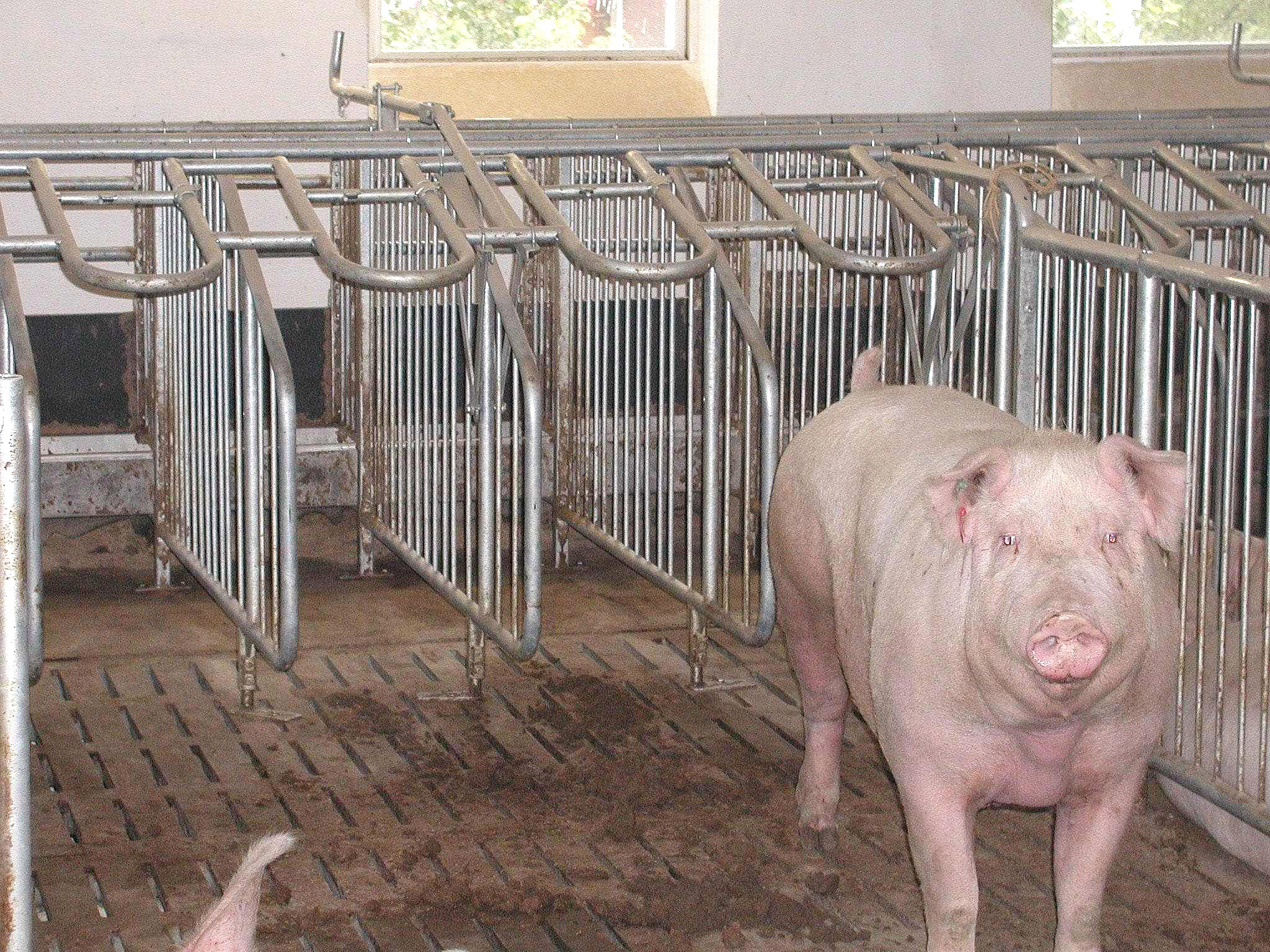
The “Kombifeeder” is an individual feeder that can be used as a stall for the first 4 weeks of gestation. This approach is favoured on smaller units where they want to ensure the sows do not mix for the first part of gestation when they may still be confined all of the time. Subsequently it can be used as an individual feeder and the sows can lie in them (albeit with no automatic gate at the rear to protect them).
The “Vario-Mix” or “Time-Mix” type feeder has one or more feeding spaces with electronic controlled feeding located in the exercise/dunging area. The feeder drops small portions of feed (usually 20-25g in the case of dry feed or 150g of wet feed) at each drop and can be fitted to feed a small static group of 5 to 8 sows per feeder. The sow triggers either a mechanical or electronic switch and effectively has to root for food. A computer can be used to control the portions and the times the feed is available. This system is found on large herds in Europe (up to 750 breeding sows), but it also fits well into smaller herds. It is best suited for groups of between 5 and 30 sows (1 to 4 feeding points). However, some sows do not respond to these system and these will have to be catered for in alternative accommodation.
Other variants of these feed stations include the tube wet feeder (“Breinuckel”) where the sow is recognized by a transponder and fed according to the ration programmed into the system. The sow only has shoulder barriers for protection and is fed through a metal tube. It is recommended that of these feed stations can provide for a maximum of 18 sows.
The Belados feeder is in effect an electronic feed station without a feeding stall. This is based either on an existing liquid feeding system or alternatively it can be fitted with its own feed and water mixing tank. It is claimed that about 30 sows can be fed per station. These two wet feeding hybrids of the single space and EFS feeder are not yet widely used and experience is limited.
Trickle feeders can also be used with kennels for large and small static groups in straw based or slatted pens in a new or converted building. It is important to ensure that there are about 15% more feeding spaces available than are theoretically required in order to ensure that varying batch sizes can be managed successfully. Not all animals appear to cope with the trickle feeder system, even though the majority do. Some alternative arrangements need to be made for maybe 5% of the gestating herd.
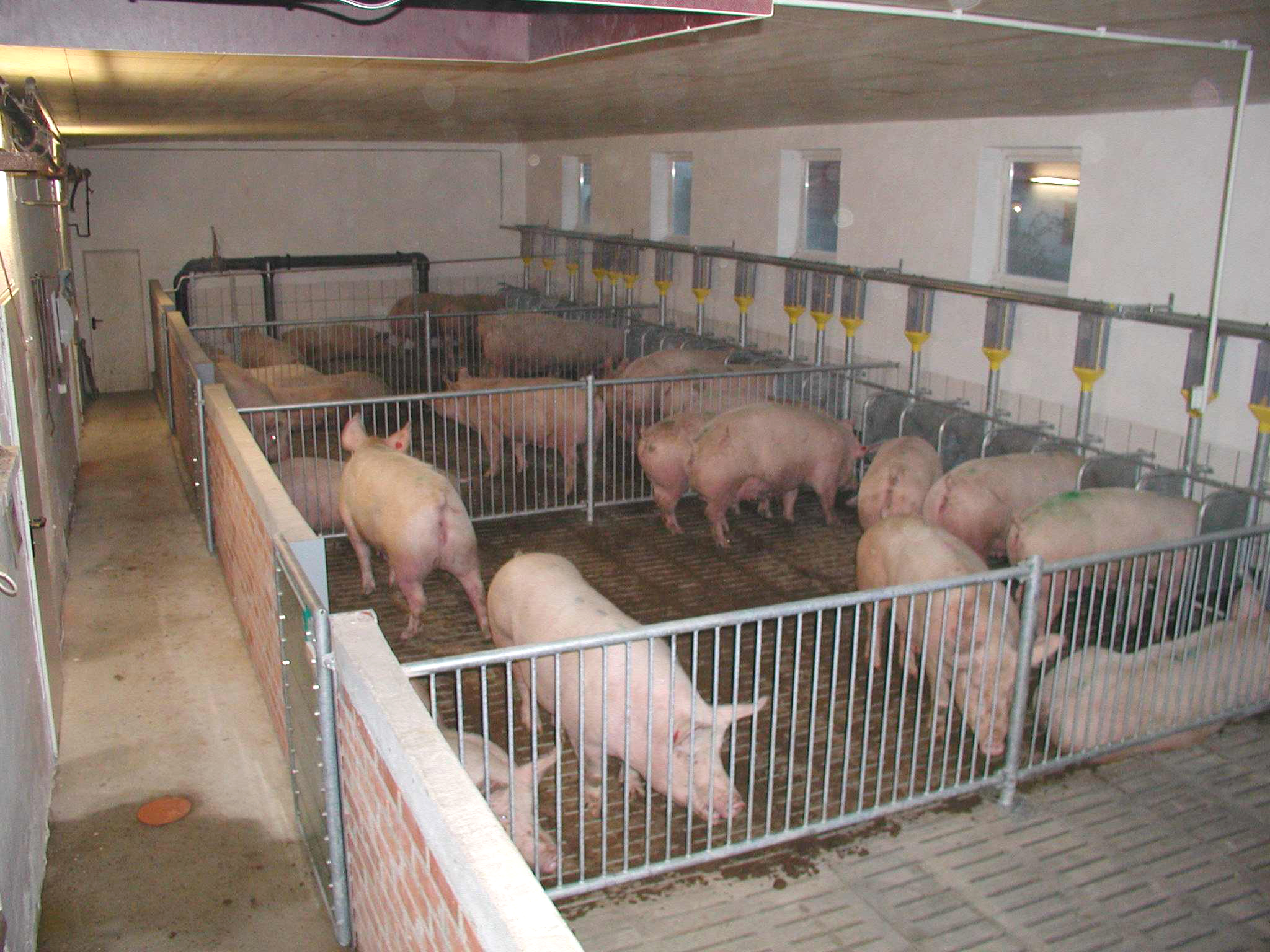
Drop feeders are similar to trickle feeders, except the feed is delivered to all individual animals in one drop from a volumetric hopper or tube. There is also a very effective wet feed variant, the ‘Quickfeeder’ that drops the feed into a trough maintained with a fixed water level. Sows fed wet feed tend to exhibit less aggression during feeding because the slower eating pen mate has a better chance to consume a full ration more quickly, therefore there appears to be a more even intake.
The EFS (Electronic Feeding Station) system is well known and is the feeding method often seen as fitting in best with the so-called dynamic group housing system. These are usually based on large pen variants containing 60 to 200 sows with individual transponders in one dynamic group, with usually 2 to 4 EFS stations. The EFS system can involve a two-pen variant where the sows move from one pen into the other via the feeding station. The sows are moved into the pen that allows entry to the feeder by the opening of a gate once daily (usually first thing in the morning). The advantages are claimed to be less aggression and easier supervision of animals that fail to feed. Gilts are usually either placed into the large dynamic group immediately after first mating or penned separately until after their first weaning. Management and supervision ability and demands must not be underestimated. EFS systems have high maintenance and repair needs and transponders must stay in place for the system to deliver top performance.
Dump or spin feeders are quite popular in the UK, but are almost completely absent on mainland Europe. These can be used to feed both fixed and dynamic groups of various sizes. The pens are usually straw bedded and some EFS users have actually removed their old EFS feeding stations and replaced them with dump or spin feeders. Both of these drop the feed over an area sufficiently large to ensure a reasonably even feed intake. The spin feeder is intended for a larger area and usually for a large group. Despite evidence of good performances achieved by herds using these methods, European advisors and their pig producing customers are concerned about the problems of feed wastage and potential aggression.
Liquid feeding of gestating sows in a long trough with (and even sometimes without) shoulder barriers can also be used for a range of usually small to medium sized static groups. Liquid feeding offers a tremendous advantage in ensuring more even feed intakes and thus maintaining more even sow body condition scores.
Ad-lib feeding of gestating sows, using a high fibre diet, is a recent trend in the Netherlands. Good results are claimed for this approach for both static and dynamic sow housing systems. They employ ad-lib single space feeders filled automatically. This system demands low nutrient density high fibre rations that match the sow’s voluntary feed intake with her nutrient needs. Unfortunately, these special feeds cannot be formulated economically in many areas of Europe as they are based on high fibre raw materials not universally available.
Neville Beynon is a UK-based consultant who works extensively in continental Europe
Photo captions:
- Kombifeeder – The Kombifeeder is an individual feeding stall that can be used as a confinement stall for the first 4-5 weeks of gestation
2. Quickfeeder – The Quickfeeder drops liquid feed into a trough that contains a fixed level of water
Getting to grips with group housing
Posted in: Production by admin on | No Comments
Recent announcements by a number of production companies in the USA and Canada regarding group sow housing have many producers wondering whether this signals the beginning of the end for sow stalls. The answer to this question is, to a large degree, a matter of conjecture bearing in mind that there seems to be no big push by Canadian food retailers to go down this path or indeed any significant political pressure on sow stalls. However, lobby groups are actively pursuing the sow stall agenda and, at some point in the future, sentiment on the issue will change, maybe quite quickly. It’s therefore a good idea for producers to start making themselves aware of the practical considerations relating to group housing and even considering the unthinkable – what would you do if sow stalls were to be phased out over a relatively short time period? And perhaps producers and others in the industry should be looking at what has happened in Europe over the last 20 years to learn from experience there.
In the UK, the short time-scale (eight years) that the industry had to convert to group housing was a major cause of both practical and financial problems. For example, a significant number of producers converted sow stall houses to group pens to reduce the cost of meeting the legislation and, in many cases, this resulted in an unsuitable solution for the pigs, the operators and the unit’s productivity. If the North American industry moves in an orderly way towards group housing over a relatively long period of time, then many errors can be avoided. In fact, assuming a loose housing system for sows is introduced as part of a farm’s normal building replacement program, there is no reason why it should not be as productive and cost-effective as a stall system, while bringing benefits from a consumer perception viewpoint.
Performance not an issue
Many comparisons of group housing and sows stalls have been carried out over the last 25 years and the majority show little differences in terms of the major breeding herd parameters such as litter size, farrowing rate, litters/sow/year and pigs/sow/year. If anything, group systems show a number of advantages over stalls such as a shorter weaning to oestrus interval, lower stillbirth rate and better sow longevity. Work carried out at Britain’s National Agricultural Centre, where one of the country’s first electronic sow feeding (ESF) systems was built in 1986, has compared performance in this ESF system to that for sows housed in groups of six (sow yards) and individual sow stalls (Table 1).
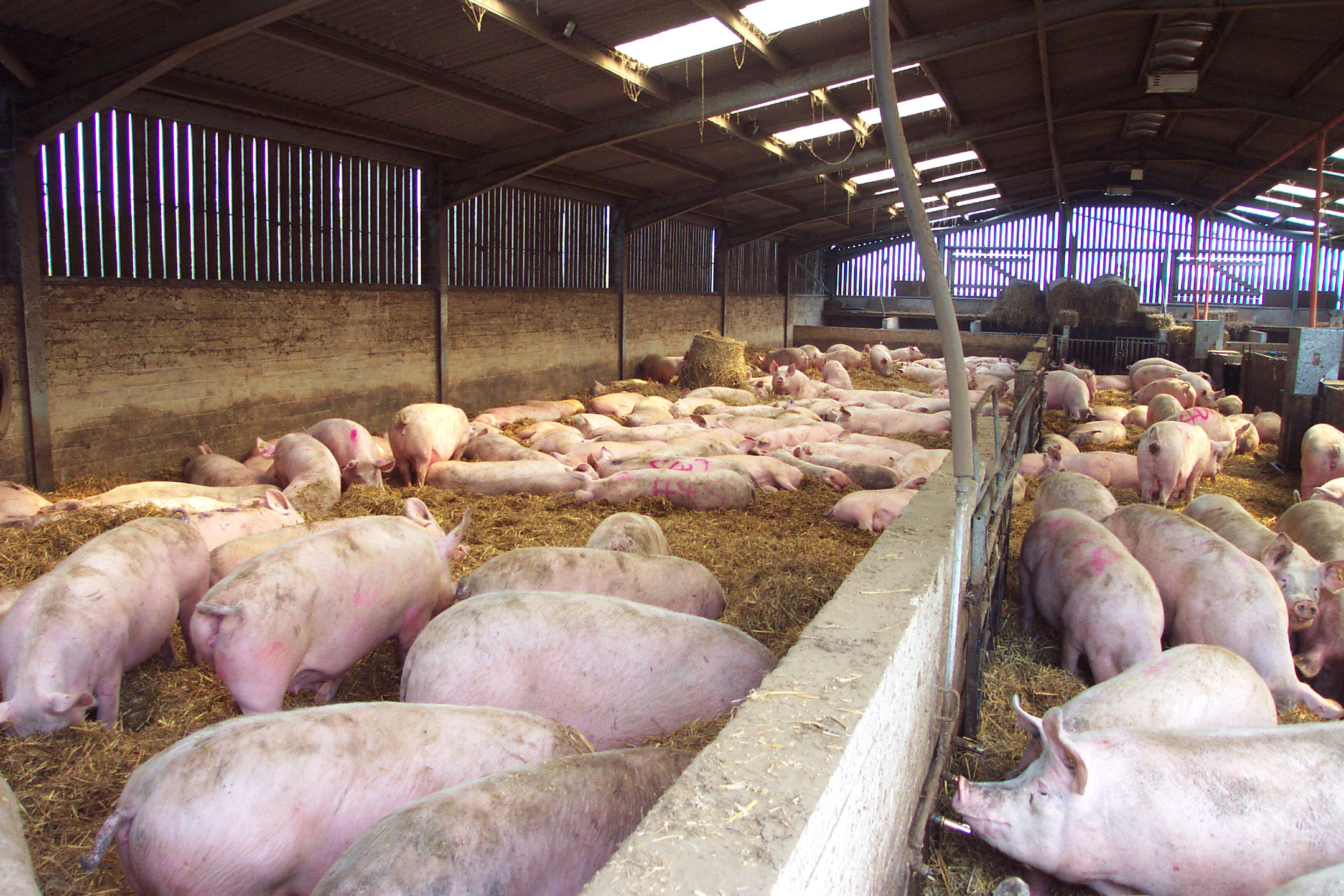 Results from group housing compared to stalls do vary somewhat, depending on the type of group system, whether sows in groups are on slatted or bedded floors and with the timing of mixing into groups relative to the day of weaning. However, in Europe, after 20 years of comparison, it is widely accepted that there are no significant performance advantages of either individual or group housing. In practice, any differences noted by producers tend to be due to variations in the design and construction of group systems and the way they are managed.
Table 1: Performance of three sow housing systems
E.S.F. yard Sow yards Sow stalls
No. of sows recorded 482 559 331
Av. wean to first service (days) 6.5 5.7 5.7
Returns to first service (%) 11.8 14.3 12.1
Farrowing rate (%) 83.8 80.9 83.7
Av. nos. born alive/litter 11.2 10.8 11.0
Av. nos. born dead/litter 0.6 0.7 0.8
Av. nos. mummified/litter 0.3 0.2 0.3
Pre-weaning mortality (%) 12.4 10.4 11.3
Av. nos. reared/litter 9.4 9.9 9.4
From: NAC Pig Unit, UK, 1991
Re-engineering facilities may compromise efficiency
For an existing production system, one of the most important issues is to decide how facilities can be re-engineered in order to convert to group housing. However, direct conversion from stalls to groups is fraught with practical difficulties. The first and most important aspect is that, typically, a sow stall building has an average of about 1.86 – 2.14m2 (20 – 23ft2) per sow, including access areas, whereas group housing systems require in the range 2.3 – 2.6 m2 (25 – 28 ft2) per sow of total space. That means a reduction in sow numbers or a compromise on space for the sow, either of which will have negative economic consequences. Some systems in the USA have opted for a lower than optimum space allowance and will reap the consequences in lost performance and higher sow mortality and morbidity. The second disadvantage of conversion is that the layout of most sow stall buildings does not lend itself well to group penning, particularly due to the positions of the slatted areas. The alternative is to go ahead anyway, in which case pen cleanliness is likely to be a problem, or to replace all the floors, which is very expensive. It is often more practical and cost-effective in the long term to build a new sow barn than to carry out a conversion.
During the 1990’s, I helped many clients in the UK go through the process of deciding how to re-engineer their units. In most cases we opted to utilize the sow stall barn for additional farrowing space, nursery pens or finishing rooms, depending on the requirements determined by pig flow through the new system. The main objective here was to look for opportunities to increase efficiency and output at lowest cost because the investment in new group housing would bring very little financial benefit on its own. For example, utilizing a sow stall barn for additional finishing space in order to increase carcass weight was always a very cost-effective option. Of course, utilizing a sow stall barn for nursery or finishing is only possible on a farrow-to-finish site and in multi-site systems sow stall barns either have to be converted, probably with some additional space added, or replaced. Building additional space will require the appropriate development permits and, in some situations, could be a limiting factor. However, in the UK the authorities were quite understanding, bearing in mind that the change to a group system was a legal requirement.
Flooring type influences choice of system
One of the key decisions about group housing is whether to use bedding or not. In Europe a majority of systems have straw-bedded floors, with either a slatted or solid dunging area, although un-bedded systems are also used. The floor type and whether bedding is used also influences choice of group system and certain aspects of management. However, the use of bedding may not be feasible in many North American systems because they currently handle manure as a liquid and are not likely to want to operate two manure disposal systems. Despite this, I would urge people to consider the advantages and disadvantages of using some (not necessarily large amounts) of bedding, compared with slatted floors. One aspect of performance that is significantly improved where solid floors and bedding are used is sow mortality and culling rates. Table 2 shows that average sow death losses in Britain, where the majority of gestating sows are housed on straw, are about half of those in the USA and Canada, where most sows are kept in slatted stalls. Culling rates are also lower.
Table 2: Sow death rates for 2005
Britain Canada USA
Average 4.7 8.1 8.9
Top 10% N/A 5.5 4.8
Worst 10% 6.6 13.2 13.2
Source: PigChamp Benchmarking Database/MLC Pig Yearbook
Systems that combine the use of a bedded lying area with a slatted dunging area are sometimes used in Europe. The slatted area may be raised above the level of the bedded area to retain straw and prevent it being dragged onto the slats by the sows. Alternatively, systems with a solid floored lying area and slatted dunging area may use sufficient bedding to provide some rooting material and gut-fill for sows, without creating the need for a solid manure handling system. Such compromises are worth considering.
 Despite the benefits of bedding, I suspect that slatted floors will be most widely used in North America. If that is the case, close attention must be paid to the quality of slats used in group housing systems, to minimize the amount of injury to feet and legs. While they are more expensive to manufacture, slats with rounded, moulded edges will result in less injury than those with the standard ground-off edge and will therefore be most cost-effective in the long term. Slat width and gap is also important and sows are more comfortable on a wide slat that allows them to easily stand with their whole foot on the solid part of the slat, rather than having one half of a hoof down the edge of the gap. Slat widths of 125mm (5”) with an 19-20mm (3/4”+) gap are ideal.
Time of mixing affects group management
Sow groups should be formed at weaning, immediately after service or at about 28-30 days into gestation. The big advantage of keeping sows in stalls for the first part of gestation is that it makes management of breeding, checking for returns and scanning so much easier. Research in several countries suggests that, overall, there is no performance advantages either way, although some trials showed a slight advantage where sows are housed in stalls for 28 days. Table 3 shows the results of Danish trials on two farms where sows were grouped either at weaning or on day 28 after service and there were no statistical differences in performance.
Table 3: Results from two herds with sows in large groups and ESF
Herd 1 Herd 2
Time of entry After 4 weeks After 4 weeks
service after service service after service
No. of litters 281 299 361 309
Total born* per litter 12.0 12.0 12.8 12.7
Farrowing rate (%) 87 90 86 83
* Liveborn + stillborn
From: National Committee for Pig Production, Annual Report, 1998, Denmark
Another very important reason for delaying grouping until around 28 days is that it maximizes space utilization. Where sows are mixed either at weaning or after breeding, a decision has to be made about what to do with sows that return or are found non-pregnant. If they are left in the original group, this makes management much more difficult, but if they are removed and mixed with a contemporary group, the pen is then under-utilized. Not only that but re-mixing of sows at any stage is undesirable. After the time that sows have been scanned, very few dropouts should occur and groups can remain stable. Large, dynamic groups make more efficient use of space than systems with smaller groups because they are more flexible and involve regular mixing of sows anyway.
Good pig skills are key to success
One thing that is very clear from my 25-year involvement with group housing systems is that a higher level of ability is required in the managers and technicians operating the system if they are to realize excellent results. There is no doubt that it is harder to identify individual animals, recognize sick sows and spot abnormalities than it is in stall systems. Operators must have an excellent knowledge of pig behaviour in order to be effective. Unless you are confident that staff have the abilities required, group housing should be avoided.
Hospital pens essential
In any group system it is inevitable that a few sows will be sick, injured or become disadvantaged for various reasons. In some cases those sows may be bullied by others in the group. In a stall system, such animals cannot be bullied by other sows and can be given individual treatment, whereas in a group system, they must be taken out of the group. Consequently a number of hospital pens are required, where sows can be housed individually or in small groups. These should preferably have solid floors and straw bedding because a significant proportion of the sows removed will have foot and leg problems.
Learn from existing systems
There is an enormous amount of experience and information about the design, construction and operation of group housing systems, especially from Europe. Of course not all of it is applicable to North American conditions but there is no point either re-inventing the wheel or making the same mistakes that were made in Europe 20 years ago, although there is no doubt this will happen to a degree. Producers thinking about group housing should make sure they gather as much information as possible because there are so many aspects to consider.
| Take-home messages
● Many comparisons of group sow housing with stalls show similar levels of breeding herd performance ● Sows housed in groups tend to show shorter weaning to oestrus intervals, lower stillbirth rate and greater longevity ● Group housing with bedded floors appear to result in lower sow mortality rates compared to slatted systems ● In group systems with slatted floors, good slat quality is essential to improve comfort and minimize foot and leg injuries ● Mixing sows into groups either immediately after breeding or four weeks after breeding results in similar litter size and farrowing rate ● Good stockmanship skills are essential for the successful operation of group housing ● Hospital pens must be provided for sick, injured of disadvantaged sows |
Photo captions:
UK-ESF-1 – Group housing systems in the UK have resulted in equally good performance to sow stalls
Slatted ESF-1 – In slatted systems the slats should be wide enough to fully support the sows’ feet and have rounded edges
Factors influencing feed conversion in the finisher barn
Posted in: Production by admin on | No Comments
With the current state of the industry, feed conversion ratio (FCR) is one of the most important numbers to control the feed cost/shipped pig. With negative margins per pig it is important to lower the cost, in order to minimize losses. What are realistic targets for FCR in the finisher barn and what factors most influence FCR? This is a big subject and we review some of the factors in this article.
Typical FCR
A typical FCR for finishing pigs would be around 3.0. However, the range is huge, with variations from 2.6 – 3.4. Realistically, most commercial herds are in the 2.8 – 3.2 range.
The cost of 0.1 feed conversion calculation would be:
0.1 x (shipping weight – starting weight) x price of feed/kg
Current example – 0.1 x (120 – 25) x 0.275 = $2.61
So the range of 0.4 could mean a difference of $10.44 /shipped pig.
Factors influencing FCR
FCR is simply feed used (not feed eaten) per kg weight gain. There are many factors that influence feed usage and weight gain and some are given below
1. Feed wastage is notoriously difficult to measure but, where this has been estimated in studies, a range from 2.5-10% is not unusual, with floor feeding of meal being particularly poor (despite looking clean!). This range also applies to wet feeding.
- extra 7% wastage vs 2.80 feed conversion = 0.196 FCR = $ 5.12 /shipped pig
2. Feed nutrient density in finishing feeds is generally lower than it was some years ago when fat was “cheap”. A finisher trial conducted by the Prairie Swine Centre showed that raising the energy level from 3090 kcal DE/kg to 3570 kcal DE/kg (+ 15.5%) and maintaining the lysine:DE ratio, improved the FCR by 14.1% (Table 1).
Table 1: Effect of dietary energy density (3090, 3340, 3570 kcal DE/kg)
| Parameter | 3090 | 3340 | 3570 | Difference vs 3090 (=100) |
| Kcal DE /kg | 3090 | 3340 | 3570 | 100.0 – 108.1 – 115.5 |
| Initial weight,kg | 31.2 | 31.5 | 31.1 | |
| Final weight, kg | 115.1 | 115.3 | 115.6 | |
| ADG, g/day | 1000 | 1030 | 1050 | 100.0 – 103.0 – 105.0 |
| ADFI, kg | 2.76 | 2.67 | 2.49 | |
| FCR | 2.76 | 2.59 | 2.37 | 100.0 – 93.8 – 85.7 |
| Feedcost $/ton | 163.07 | 208.07 | 247.26 | |
| Feedcost $/kg gain | 0.450 | 0.539 | 0.586 | 100.0 – 119.8 – 130.2 |
| Fat, mm | 16.83 | 18.33 | 19.39 | |
| Lean, mm | 61.65 | 62.72 | 61.06 |
In this trial the FCR improved by 14.3% (3090 vs 3570), but to get there the feed cost increased by 30.2%, therefore always look at the balance of price of feed and FCR in order to get the lowest feed cost/kg gain
3. Feed form (meal vs. pellets vs. wet) influences FCR through changes in energy digestibility, intake, gut health, and feed wastage. This is also compounded by particle size. Prairie Swine Centre compared the differences between these different feed forms and in different feeders in an experiment (Table 2).
Table 2: The effect of feed form and feeder type on ADG and FCR
| Type feed | Feeder type | ADG (g/day) | ADFI (kg) | FCR | Improvement FCR vs mash/dry feeder |
| Mash | Dry | 792 | 2.50 | 3.16 | |
| Mash | Wet/Dry | 903 | 2.38 | 2.64 | + 16.5% |
| Pellet | Dry | 868 | 2.48 | 2.86 | + 9.5% |
| Pellet | Wet/Dry | 899 | 2.37 | 2.64 | + 16.5% |
4. Average Daily Feed Intake (ADFI) probably has the biggest impact on performance. A higher feed intake impacts both energy and amino acid intake. This impact is usually bigger than varying the nutrient density. Studies at the University of Alberta showed a large difference in ADFI among pigs (gilts 50-100kg), which varied between 1.57 to 3.15 kg/day.
There are many factors affecting ADFI:
Health status
Dietary factors (energy density, amino acids balance, particle size, additives)
Water (type of drinkers, flow rate, ease of access, quality)
Feeding systems (wet/dry/liquid, pigs/feeder space, access to feeder)
Management (weight at entry, moving/mixing, stocking density, pigs/pen)
Genotype/sex
Environment in the barn (temperature, temp. fluctuations, drafts, air quality)
Production system (all in/all out, fill time)
(adapted from Whittemore, 1998)
ADFI in the early growth phase
It is critical to have a good intake in this stage. Pigs normally can’t reach their maximum lean gain potential in this phase, because of insufficient intake. The growth in this phase is very economical because high lean gain, which contains a high percentage of water, has a very good feed conversion. There is also less fat deposition at this stage, which is very high in energy and has a high feed conversion.
An example generated with the NRC model illustrates this very well (Table 3).
Table 3: Expected impact of intake on performance with NRC model
25 kg, high lean gain pigs (375g lean gain/day). 3300 kcal DE/kg, $300/ton
| Feed intake (kg/day) | Expected Daily gain | Protein Tissue gain | Fat Tissue gain | Expected FCR | % fat in total gain | % fat in extra gain | Feed cost/
kg gain |
| 1.00 | 473 | 342 | 102 | 2.12 | 21.6 | $0.636 | |
| 1.20 | 604 | 428 | 140 | 1.99 | 23.2 | 29.0 | $0.597 |
| 1.40 | 735 | 513 | 178 | 1.91 | 24.2 | 29.0 | $0.573 |
- Improving the feed intake will improve the ADG (mainly lean gain, limited fat gain) and the feed conversion resulting in lower feed cost/kg gain.
ADFI in the finishing phase
In the finishing stage pigs can normally easily reach their maximum lean gain potential. Once they reach their maximum lean gain, the remainder of the nutrients will be directed towards fat deposition. The following NRC model generated table illustrates those dynamics (Table 4).
Table 4: Expected impact of intake on performance with NRC model
100 kg, high lean gain pigs (375 g lean gain/day), 3190 kcal DE/kg, $250/ton
| Feed intake (kg/day) | Expected Daily gain | Protein Tissue gain | Fat Tissue gain | Expected FCR | % fat in total gain | % fat in extra gain | Feed cost
/kg gain |
| 2.60 | 948 | 615 | 277 | 2.74 | 29.2 | $0.822 | |
| 3.00 | 1064 | 615 | 386 | 2.82 | 36.3 | 94.0 | $0.846 |
| 3.40 | 1180 | 615 | 494 | 2.88 | 41.9 | 93.5 | $0.864 |
- High intakes in the finishing stage will improve the ADG (almost exclusively fat gain), which results in a higher feed conversion giving a higher feed cost/kg gain and less desirable carcass.
5. Space allowance
Studies have found a negative impact of crowding on productivity and welfare, measured mainly on small groups. Prairie Swine Centre conducted a study on the impact of crowding in small groups (18 pigs) and large groups (108 pigs). Space allowance was expressed using an allometric approach relating bodyweight to floor area, as determined by the equation: k = area(m²)/BW (kg)^0.667. Below k = 0.035, space becomes restrictive and growth depression begins (Table 5).
Table 5: The effect of space allowance on pig growth
Small group Small group Large group Large group
Uncrowded Crowded Uncrowded Crowded
| Pigs / group | 36 | 36 | 108 | 108 |
| m² (sqft)/pig | 0.78 (8.4) | 0.52 (5.6) | 0.78 (8.4) | 0.52 (5.6) |
| Start weight, kg | 38.01 | 38.02 | 36.55 | 36.97 |
| End weight, kg | 96.21 | 93.95 | 93.10 | 91.29 |
| ADG, g/day | 1098 | 1049 | 1055 | 1016 |
| ADFI, kg/day | 2.78 | 2.87 | 2.77 | 2.80 |
| FCR | 2.53 | 2.73 | 2.62 | 2.76 |
Overall, crowded pigs had a poorer FCR and lower ADG than the uncrowded pigs. The first sign of growth depression in response to crowding occurred much sooner for the pigs in large groups compared with pigs in small groups. In the large groups, the critical point (k value) at which crowding and growth depression began was k= 0.042, while k=0.035 was the critical point for pigs housed in the small groups.
In the different growth stages on farm, space allowance should be based on the end weights per phase, for optimal growth, feed conversion (Table 6).
Table 6: Optimal space allowance at different weights (m²/pig, (sqft/pig))
Weight of pig 25kg 50kg 75kg 100kg 110kg m² (sqft) m² (sqft) m² (sqft) m² (sqft) m² (sqft)
Small group (k=0.035) 0.30 (3.2) 0.48 (5.1) 0.62 (6.7) 0.76 (8.1) 0.80 (8.7)
Large group (k=0.042) 0.36 (3.9) 0.57 (6.1) 0.75 (8.0) 0.91 (9.7) 0.97 (10.4)
6. Other factors
Environment
This influences energy requirements and thus feed intake. Pigs kept below their Lower Critical Temperature will eat more and convert more poorly.
High carcass fat
See above
Genotype
Pigs with a higher lean gain potential are better able to convert the nutrients efficiently into lean gain and will have less fat tissue gain, resulting in a better feed conversion.
Disease
This normally increases mortality, but also the immune response diverts nutrients away from lean growth towards fighting disease. The reduction in lean growth leads to a deterioration in FCR. This may be severe – as much as 0.5. Feed intake is normally reduced, the extent depending upon the actual disease. Feed intake depression is particularly acute with pneumonia.
Clearly there are a huge number of factors that influence weight gain, apparent feed intake, and thus FCR, so attention to these can help to reduce feed costs.