

SEARCH
Industry Partners




Prairie Swine Centre is an affiliate of the University of Saskatchewan

Prairie Swine Centre is grateful for the assistance of the George Morris Centre in developing the economics portion of Pork Insight.
Financial support for the Enterprise Model Project and Pork Insight has been provided by:







Group housing sows in Europe
Posted in: Production, Welfare by admin on July 14, 2011 | No Comments
In the UK all newly weaned and gestating sows have had to be kept in group housing systems since 1999 following a 7 year conversion period. The EU introduced legislation in 2001 that banned the construction of new individual confinement systems from 2003 and will make all existing sow stall housing illegal in 2013.
The UK legislation enforces a ban on confinement (apart from the week pre-farrowing and through to the day of weaning) and is ‘gold plated’ in comparison to the minimum requirements of the EU, which states that all sows must be kept in groups only from the 5th week of gestation up to 1 week prior to farrowing when they can be moved into the farrowing accommodation. Some other EU countries and even federal states within a country have also often ‘gold plated’ the legal requirements well in excess of the basic requirements. Pressure is beginning to build up for a ban on farrowing crates with some UK supermarket chains now demanding that all pig meat should be sourced from herds that do not use confined farrowing facilities.
The good news is that there are now herds operating across Europe achieving in excess of 30 pigs weaned per sow per year using group housing systems and weaning at around 33 days.
The UK’s early conversion, followed closely by its pig meat suppliers Denmark and Holland, has provided some examples of what can be achieved with group housing systems. It has been absolutely clear that the key to any sow housing system is the feeding method employed and in fact there are as many feeding system variants as there are potential housing solutions.
The situation also differs across Europe, with family farms and no employed labour in areas such as western and southern Germany, whilst in the eastern areas of Germany there are larger herds (>300 sows) run entirely with employed labour. The (usually) smaller family farms will probably be considering either to expand or sell up and no longer produce pigs, whilst the larger units with employed labour will be considering the viability of converting relatively large existing slatted floored buildings, albeit often with limited financial reserves and with the need to provide a viable system for 300 or more sows and the employed work force. The solution for a smaller family farm intending to expand will certainly differ considerably from an existing large breeding unit. However, both will have to initially consider the system they will adopt based on the feeding system and whether they will operate a ‘static’ or ‘dynamic’ sow group during gestation.
There has been a trend for larger units to run batch farrowing systems based on farrowing only every third, fourth or even fifth week. This produces very large group sizes and therefore suits the management of the large static groups. The management routine will then operate around weeks where farrowings are planned and other weeks where weaning and mating (usually A.I.) are concentrated. This has implications for the sow housing and farrowing accommodation, as well as the work routine for the animal attendants and management. Management discipline needs to be first rate.
Herds operating a weekly or fortnightly farrowing sequence will often consider either a large dynamic group where animals are added in at weaning or after they are confirmed pregnant (the 5th week), spending this initial period in individual confined housing or small service groups. Static groups are also sometimes built up over several weeks in smaller and medium sized herds with sows added to the group at weaning/mating or once confirmed pregnant. This leads to an increased risk of aggressive behaviour and returns to service.
Where static groups are kept in smaller herds farrowing weekly or fortnightly, then they are often in groups of 4 to 8 sows. A range of systems are commonly used in Europe for such static groups and these include:
Free access feeder stalls with a communal pen, which can be partly slatted or straw bedded. Most countries, or federal states (when applicable) within individual countries, will often insist on the provision of a solid floored bedded area with access to edible/chewable bedding in slatted systems. The sows are usually fed automatically (rationed as a group) with either dry or liquid feed. These facilities will often be fitted into an existing individual stall house or a purpose-built new building. When converting old or existing housing it is important to consider that the overall stocking density may be reduced and in very cold northern parts of Europe supplementary heating is often included, along with modifications to the ventilation system. Straw bedded and part/fully slatted versions are also found.
Kennel systems are also being used increasingly in the colder areas of mainland Europe and these have long been popular in the UK. They are quite simply either individual lying kennels or now, more commonly, small low-roofed insulated kennels or huts (similar to outdoor pig huts) where the sows rest and sleep in small groups. They can be either under a roof or partly in the open, but have natural ventilation. The dunging and exercise yard can be solid or slatted. Huts can have insulated floors without much bedding (some must usually be provided even in slatted housing) or be straw bedded and cleaned out using a tractor/mechanical scraper.
Both of these kennel systems, straw bedded yards and partly slatted environmentally controlled pens, can also be fed in individual feeders (one per sow or on a cafeteria system). These are usually found on existing pig units as they are extremely expensive when built in from new. The individual kennel variant even allows for them to be fed in the individual kennel or cubicle and this is often combined with the daily mechanical removal of solid manure from a solid straw based run.
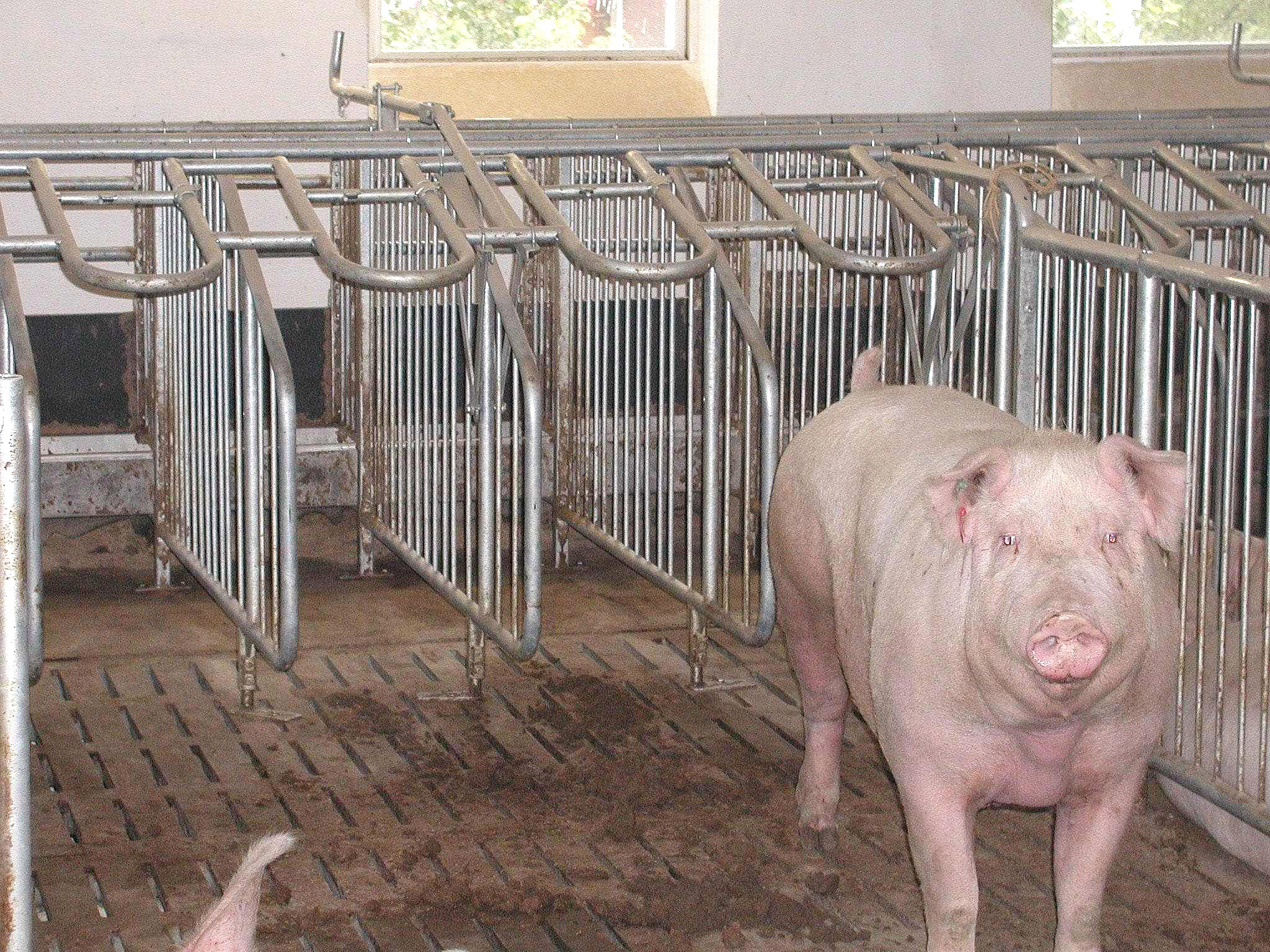
The “Kombifeeder” is an individual feeder that can be used as a stall for the first 4 weeks of gestation. This approach is favoured on smaller units where they want to ensure the sows do not mix for the first part of gestation when they may still be confined all of the time. Subsequently it can be used as an individual feeder and the sows can lie in them (albeit with no automatic gate at the rear to protect them).
The “Vario-Mix” or “Time-Mix” type feeder has one or more feeding spaces with electronic controlled feeding located in the exercise/dunging area. The feeder drops small portions of feed (usually 20-25g in the case of dry feed or 150g of wet feed) at each drop and can be fitted to feed a small static group of 5 to 8 sows per feeder. The sow triggers either a mechanical or electronic switch and effectively has to root for food. A computer can be used to control the portions and the times the feed is available. This system is found on large herds in Europe (up to 750 breeding sows), but it also fits well into smaller herds. It is best suited for groups of between 5 and 30 sows (1 to 4 feeding points). However, some sows do not respond to these system and these will have to be catered for in alternative accommodation.
Other variants of these feed stations include the tube wet feeder (“Breinuckel”) where the sow is recognized by a transponder and fed according to the ration programmed into the system. The sow only has shoulder barriers for protection and is fed through a metal tube. It is recommended that of these feed stations can provide for a maximum of 18 sows.
The Belados feeder is in effect an electronic feed station without a feeding stall. This is based either on an existing liquid feeding system or alternatively it can be fitted with its own feed and water mixing tank. It is claimed that about 30 sows can be fed per station. These two wet feeding hybrids of the single space and EFS feeder are not yet widely used and experience is limited.
Trickle feeders can also be used with kennels for large and small static groups in straw based or slatted pens in a new or converted building. It is important to ensure that there are about 15% more feeding spaces available than are theoretically required in order to ensure that varying batch sizes can be managed successfully. Not all animals appear to cope with the trickle feeder system, even though the majority do. Some alternative arrangements need to be made for maybe 5% of the gestating herd.
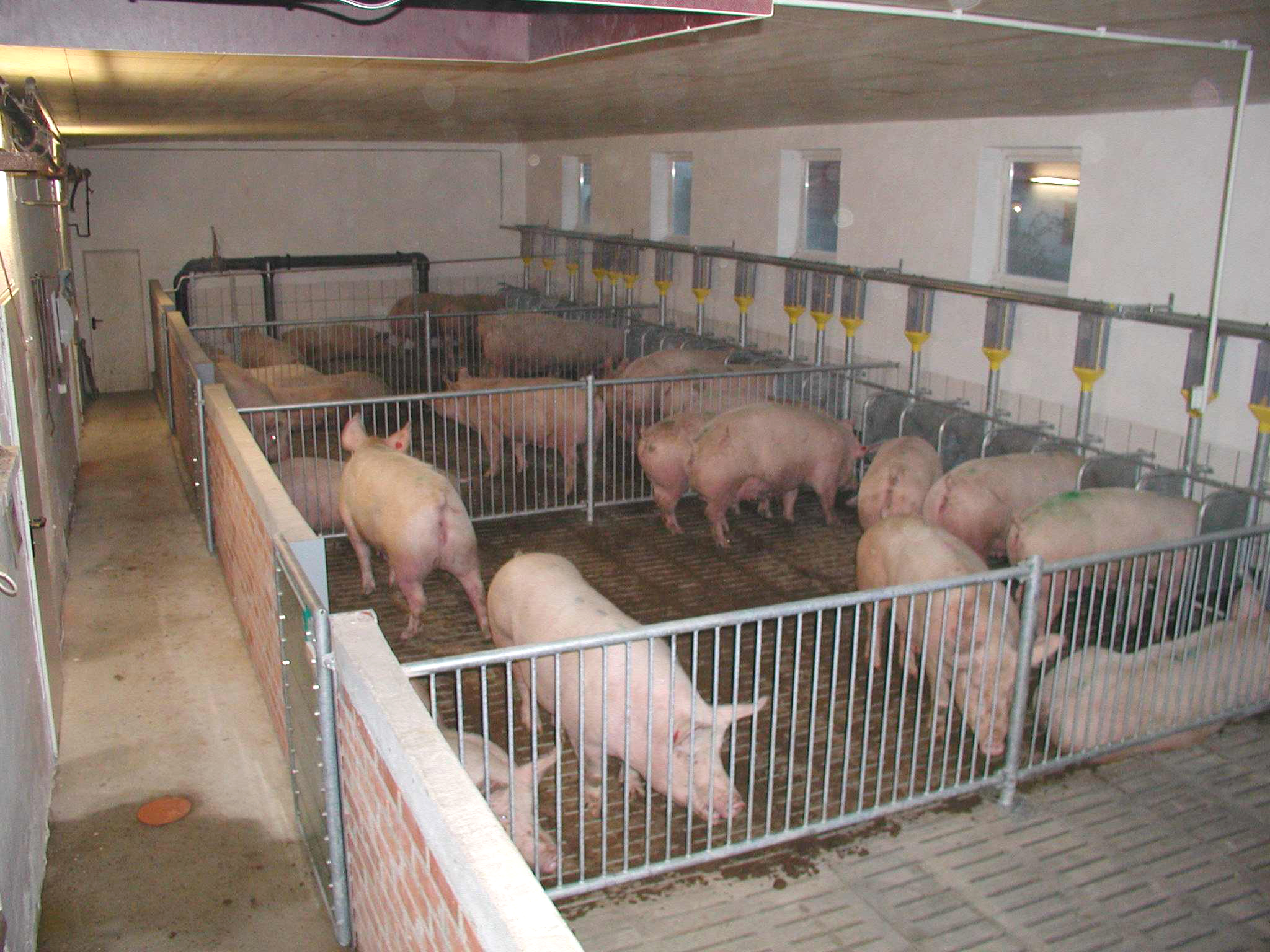
Drop feeders are similar to trickle feeders, except the feed is delivered to all individual animals in one drop from a volumetric hopper or tube. There is also a very effective wet feed variant, the ‘Quickfeeder’ that drops the feed into a trough maintained with a fixed water level. Sows fed wet feed tend to exhibit less aggression during feeding because the slower eating pen mate has a better chance to consume a full ration more quickly, therefore there appears to be a more even intake.
The EFS (Electronic Feeding Station) system is well known and is the feeding method often seen as fitting in best with the so-called dynamic group housing system. These are usually based on large pen variants containing 60 to 200 sows with individual transponders in one dynamic group, with usually 2 to 4 EFS stations. The EFS system can involve a two-pen variant where the sows move from one pen into the other via the feeding station. The sows are moved into the pen that allows entry to the feeder by the opening of a gate once daily (usually first thing in the morning). The advantages are claimed to be less aggression and easier supervision of animals that fail to feed. Gilts are usually either placed into the large dynamic group immediately after first mating or penned separately until after their first weaning. Management and supervision ability and demands must not be underestimated. EFS systems have high maintenance and repair needs and transponders must stay in place for the system to deliver top performance.
Dump or spin feeders are quite popular in the UK, but are almost completely absent on mainland Europe. These can be used to feed both fixed and dynamic groups of various sizes. The pens are usually straw bedded and some EFS users have actually removed their old EFS feeding stations and replaced them with dump or spin feeders. Both of these drop the feed over an area sufficiently large to ensure a reasonably even feed intake. The spin feeder is intended for a larger area and usually for a large group. Despite evidence of good performances achieved by herds using these methods, European advisors and their pig producing customers are concerned about the problems of feed wastage and potential aggression.
Liquid feeding of gestating sows in a long trough with (and even sometimes without) shoulder barriers can also be used for a range of usually small to medium sized static groups. Liquid feeding offers a tremendous advantage in ensuring more even feed intakes and thus maintaining more even sow body condition scores.
Ad-lib feeding of gestating sows, using a high fibre diet, is a recent trend in the Netherlands. Good results are claimed for this approach for both static and dynamic sow housing systems. They employ ad-lib single space feeders filled automatically. This system demands low nutrient density high fibre rations that match the sow’s voluntary feed intake with her nutrient needs. Unfortunately, these special feeds cannot be formulated economically in many areas of Europe as they are based on high fibre raw materials not universally available.
Neville Beynon is a UK-based consultant who works extensively in continental Europe
Photo captions:
- Kombifeeder – The Kombifeeder is an individual feeding stall that can be used as a confinement stall for the first 4-5 weeks of gestation
2. Quickfeeder – The Quickfeeder drops liquid feed into a trough that contains a fixed level of water
Getting to grips with group housing
Posted in: Production by admin on | No Comments
Recent announcements by a number of production companies in the USA and Canada regarding group sow housing have many producers wondering whether this signals the beginning of the end for sow stalls. The answer to this question is, to a large degree, a matter of conjecture bearing in mind that there seems to be no big push by Canadian food retailers to go down this path or indeed any significant political pressure on sow stalls. However, lobby groups are actively pursuing the sow stall agenda and, at some point in the future, sentiment on the issue will change, maybe quite quickly. It’s therefore a good idea for producers to start making themselves aware of the practical considerations relating to group housing and even considering the unthinkable – what would you do if sow stalls were to be phased out over a relatively short time period? And perhaps producers and others in the industry should be looking at what has happened in Europe over the last 20 years to learn from experience there.
In the UK, the short time-scale (eight years) that the industry had to convert to group housing was a major cause of both practical and financial problems. For example, a significant number of producers converted sow stall houses to group pens to reduce the cost of meeting the legislation and, in many cases, this resulted in an unsuitable solution for the pigs, the operators and the unit’s productivity. If the North American industry moves in an orderly way towards group housing over a relatively long period of time, then many errors can be avoided. In fact, assuming a loose housing system for sows is introduced as part of a farm’s normal building replacement program, there is no reason why it should not be as productive and cost-effective as a stall system, while bringing benefits from a consumer perception viewpoint.
Performance not an issue
Many comparisons of group housing and sows stalls have been carried out over the last 25 years and the majority show little differences in terms of the major breeding herd parameters such as litter size, farrowing rate, litters/sow/year and pigs/sow/year. If anything, group systems show a number of advantages over stalls such as a shorter weaning to oestrus interval, lower stillbirth rate and better sow longevity. Work carried out at Britain’s National Agricultural Centre, where one of the country’s first electronic sow feeding (ESF) systems was built in 1986, has compared performance in this ESF system to that for sows housed in groups of six (sow yards) and individual sow stalls (Table 1).
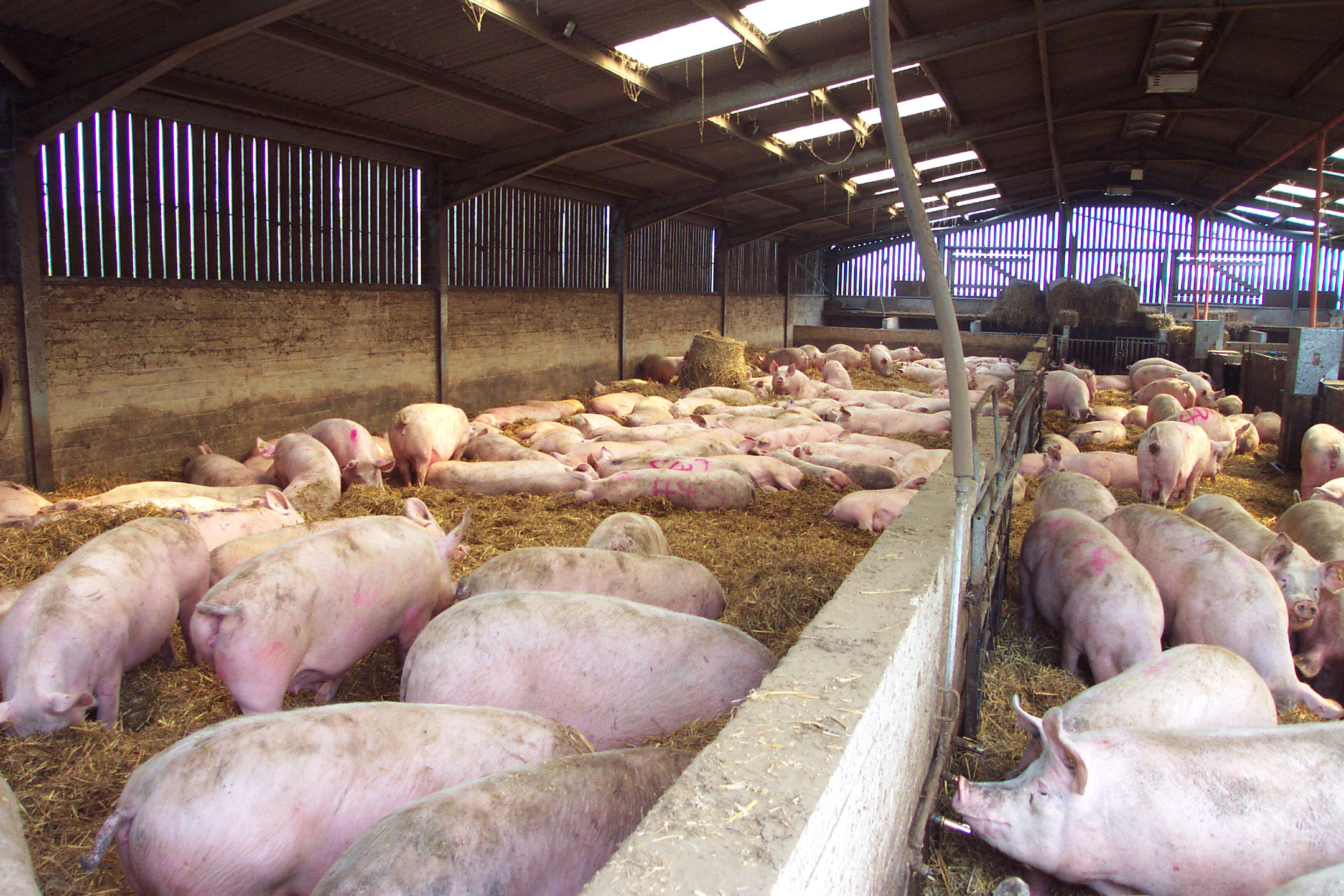 Results from group housing compared to stalls do vary somewhat, depending on the type of group system, whether sows in groups are on slatted or bedded floors and with the timing of mixing into groups relative to the day of weaning. However, in Europe, after 20 years of comparison, it is widely accepted that there are no significant performance advantages of either individual or group housing. In practice, any differences noted by producers tend to be due to variations in the design and construction of group systems and the way they are managed.
Table 1: Performance of three sow housing systems
E.S.F. yard Sow yards Sow stalls
No. of sows recorded 482 559 331
Av. wean to first service (days) 6.5 5.7 5.7
Returns to first service (%) 11.8 14.3 12.1
Farrowing rate (%) 83.8 80.9 83.7
Av. nos. born alive/litter 11.2 10.8 11.0
Av. nos. born dead/litter 0.6 0.7 0.8
Av. nos. mummified/litter 0.3 0.2 0.3
Pre-weaning mortality (%) 12.4 10.4 11.3
Av. nos. reared/litter 9.4 9.9 9.4
From: NAC Pig Unit, UK, 1991
Re-engineering facilities may compromise efficiency
For an existing production system, one of the most important issues is to decide how facilities can be re-engineered in order to convert to group housing. However, direct conversion from stalls to groups is fraught with practical difficulties. The first and most important aspect is that, typically, a sow stall building has an average of about 1.86 – 2.14m2 (20 – 23ft2) per sow, including access areas, whereas group housing systems require in the range 2.3 – 2.6 m2 (25 – 28 ft2) per sow of total space. That means a reduction in sow numbers or a compromise on space for the sow, either of which will have negative economic consequences. Some systems in the USA have opted for a lower than optimum space allowance and will reap the consequences in lost performance and higher sow mortality and morbidity. The second disadvantage of conversion is that the layout of most sow stall buildings does not lend itself well to group penning, particularly due to the positions of the slatted areas. The alternative is to go ahead anyway, in which case pen cleanliness is likely to be a problem, or to replace all the floors, which is very expensive. It is often more practical and cost-effective in the long term to build a new sow barn than to carry out a conversion.
During the 1990’s, I helped many clients in the UK go through the process of deciding how to re-engineer their units. In most cases we opted to utilize the sow stall barn for additional farrowing space, nursery pens or finishing rooms, depending on the requirements determined by pig flow through the new system. The main objective here was to look for opportunities to increase efficiency and output at lowest cost because the investment in new group housing would bring very little financial benefit on its own. For example, utilizing a sow stall barn for additional finishing space in order to increase carcass weight was always a very cost-effective option. Of course, utilizing a sow stall barn for nursery or finishing is only possible on a farrow-to-finish site and in multi-site systems sow stall barns either have to be converted, probably with some additional space added, or replaced. Building additional space will require the appropriate development permits and, in some situations, could be a limiting factor. However, in the UK the authorities were quite understanding, bearing in mind that the change to a group system was a legal requirement.
Flooring type influences choice of system
One of the key decisions about group housing is whether to use bedding or not. In Europe a majority of systems have straw-bedded floors, with either a slatted or solid dunging area, although un-bedded systems are also used. The floor type and whether bedding is used also influences choice of group system and certain aspects of management. However, the use of bedding may not be feasible in many North American systems because they currently handle manure as a liquid and are not likely to want to operate two manure disposal systems. Despite this, I would urge people to consider the advantages and disadvantages of using some (not necessarily large amounts) of bedding, compared with slatted floors. One aspect of performance that is significantly improved where solid floors and bedding are used is sow mortality and culling rates. Table 2 shows that average sow death losses in Britain, where the majority of gestating sows are housed on straw, are about half of those in the USA and Canada, where most sows are kept in slatted stalls. Culling rates are also lower.
Table 2: Sow death rates for 2005
Britain Canada USA
Average 4.7 8.1 8.9
Top 10% N/A 5.5 4.8
Worst 10% 6.6 13.2 13.2
Source: PigChamp Benchmarking Database/MLC Pig Yearbook
Systems that combine the use of a bedded lying area with a slatted dunging area are sometimes used in Europe. The slatted area may be raised above the level of the bedded area to retain straw and prevent it being dragged onto the slats by the sows. Alternatively, systems with a solid floored lying area and slatted dunging area may use sufficient bedding to provide some rooting material and gut-fill for sows, without creating the need for a solid manure handling system. Such compromises are worth considering.
 Despite the benefits of bedding, I suspect that slatted floors will be most widely used in North America. If that is the case, close attention must be paid to the quality of slats used in group housing systems, to minimize the amount of injury to feet and legs. While they are more expensive to manufacture, slats with rounded, moulded edges will result in less injury than those with the standard ground-off edge and will therefore be most cost-effective in the long term. Slat width and gap is also important and sows are more comfortable on a wide slat that allows them to easily stand with their whole foot on the solid part of the slat, rather than having one half of a hoof down the edge of the gap. Slat widths of 125mm (5”) with an 19-20mm (3/4”+) gap are ideal.
Time of mixing affects group management
Sow groups should be formed at weaning, immediately after service or at about 28-30 days into gestation. The big advantage of keeping sows in stalls for the first part of gestation is that it makes management of breeding, checking for returns and scanning so much easier. Research in several countries suggests that, overall, there is no performance advantages either way, although some trials showed a slight advantage where sows are housed in stalls for 28 days. Table 3 shows the results of Danish trials on two farms where sows were grouped either at weaning or on day 28 after service and there were no statistical differences in performance.
Table 3: Results from two herds with sows in large groups and ESF
Herd 1 Herd 2
Time of entry After 4 weeks After 4 weeks
service after service service after service
No. of litters 281 299 361 309
Total born* per litter 12.0 12.0 12.8 12.7
Farrowing rate (%) 87 90 86 83
* Liveborn + stillborn
From: National Committee for Pig Production, Annual Report, 1998, Denmark
Another very important reason for delaying grouping until around 28 days is that it maximizes space utilization. Where sows are mixed either at weaning or after breeding, a decision has to be made about what to do with sows that return or are found non-pregnant. If they are left in the original group, this makes management much more difficult, but if they are removed and mixed with a contemporary group, the pen is then under-utilized. Not only that but re-mixing of sows at any stage is undesirable. After the time that sows have been scanned, very few dropouts should occur and groups can remain stable. Large, dynamic groups make more efficient use of space than systems with smaller groups because they are more flexible and involve regular mixing of sows anyway.
Good pig skills are key to success
One thing that is very clear from my 25-year involvement with group housing systems is that a higher level of ability is required in the managers and technicians operating the system if they are to realize excellent results. There is no doubt that it is harder to identify individual animals, recognize sick sows and spot abnormalities than it is in stall systems. Operators must have an excellent knowledge of pig behaviour in order to be effective. Unless you are confident that staff have the abilities required, group housing should be avoided.
Hospital pens essential
In any group system it is inevitable that a few sows will be sick, injured or become disadvantaged for various reasons. In some cases those sows may be bullied by others in the group. In a stall system, such animals cannot be bullied by other sows and can be given individual treatment, whereas in a group system, they must be taken out of the group. Consequently a number of hospital pens are required, where sows can be housed individually or in small groups. These should preferably have solid floors and straw bedding because a significant proportion of the sows removed will have foot and leg problems.
Learn from existing systems
There is an enormous amount of experience and information about the design, construction and operation of group housing systems, especially from Europe. Of course not all of it is applicable to North American conditions but there is no point either re-inventing the wheel or making the same mistakes that were made in Europe 20 years ago, although there is no doubt this will happen to a degree. Producers thinking about group housing should make sure they gather as much information as possible because there are so many aspects to consider.
| Take-home messages
● Many comparisons of group sow housing with stalls show similar levels of breeding herd performance ● Sows housed in groups tend to show shorter weaning to oestrus intervals, lower stillbirth rate and greater longevity ● Group housing with bedded floors appear to result in lower sow mortality rates compared to slatted systems ● In group systems with slatted floors, good slat quality is essential to improve comfort and minimize foot and leg injuries ● Mixing sows into groups either immediately after breeding or four weeks after breeding results in similar litter size and farrowing rate ● Good stockmanship skills are essential for the successful operation of group housing ● Hospital pens must be provided for sick, injured of disadvantaged sows |
Photo captions:
UK-ESF-1 – Group housing systems in the UK have resulted in equally good performance to sow stalls
Slatted ESF-1 – In slatted systems the slats should be wide enough to fully support the sows’ feet and have rounded edges
Factors influencing feed conversion in the finisher barn
Posted in: Production by admin on | No Comments
With the current state of the industry, feed conversion ratio (FCR) is one of the most important numbers to control the feed cost/shipped pig. With negative margins per pig it is important to lower the cost, in order to minimize losses. What are realistic targets for FCR in the finisher barn and what factors most influence FCR? This is a big subject and we review some of the factors in this article.
Typical FCR
A typical FCR for finishing pigs would be around 3.0. However, the range is huge, with variations from 2.6 – 3.4. Realistically, most commercial herds are in the 2.8 – 3.2 range.
The cost of 0.1 feed conversion calculation would be:
0.1 x (shipping weight – starting weight) x price of feed/kg
Current example – 0.1 x (120 – 25) x 0.275 = $2.61
So the range of 0.4 could mean a difference of $10.44 /shipped pig.
Factors influencing FCR
FCR is simply feed used (not feed eaten) per kg weight gain. There are many factors that influence feed usage and weight gain and some are given below
1. Feed wastage is notoriously difficult to measure but, where this has been estimated in studies, a range from 2.5-10% is not unusual, with floor feeding of meal being particularly poor (despite looking clean!). This range also applies to wet feeding.
- extra 7% wastage vs 2.80 feed conversion = 0.196 FCR = $ 5.12 /shipped pig
2. Feed nutrient density in finishing feeds is generally lower than it was some years ago when fat was “cheap”. A finisher trial conducted by the Prairie Swine Centre showed that raising the energy level from 3090 kcal DE/kg to 3570 kcal DE/kg (+ 15.5%) and maintaining the lysine:DE ratio, improved the FCR by 14.1% (Table 1).
Table 1: Effect of dietary energy density (3090, 3340, 3570 kcal DE/kg)
| Parameter | 3090 | 3340 | 3570 | Difference vs 3090 (=100) |
| Kcal DE /kg | 3090 | 3340 | 3570 | 100.0 – 108.1 – 115.5 |
| Initial weight,kg | 31.2 | 31.5 | 31.1 | |
| Final weight, kg | 115.1 | 115.3 | 115.6 | |
| ADG, g/day | 1000 | 1030 | 1050 | 100.0 – 103.0 – 105.0 |
| ADFI, kg | 2.76 | 2.67 | 2.49 | |
| FCR | 2.76 | 2.59 | 2.37 | 100.0 – 93.8 – 85.7 |
| Feedcost $/ton | 163.07 | 208.07 | 247.26 | |
| Feedcost $/kg gain | 0.450 | 0.539 | 0.586 | 100.0 – 119.8 – 130.2 |
| Fat, mm | 16.83 | 18.33 | 19.39 | |
| Lean, mm | 61.65 | 62.72 | 61.06 |
In this trial the FCR improved by 14.3% (3090 vs 3570), but to get there the feed cost increased by 30.2%, therefore always look at the balance of price of feed and FCR in order to get the lowest feed cost/kg gain
3. Feed form (meal vs. pellets vs. wet) influences FCR through changes in energy digestibility, intake, gut health, and feed wastage. This is also compounded by particle size. Prairie Swine Centre compared the differences between these different feed forms and in different feeders in an experiment (Table 2).
Table 2: The effect of feed form and feeder type on ADG and FCR
| Type feed | Feeder type | ADG (g/day) | ADFI (kg) | FCR | Improvement FCR vs mash/dry feeder |
| Mash | Dry | 792 | 2.50 | 3.16 | |
| Mash | Wet/Dry | 903 | 2.38 | 2.64 | + 16.5% |
| Pellet | Dry | 868 | 2.48 | 2.86 | + 9.5% |
| Pellet | Wet/Dry | 899 | 2.37 | 2.64 | + 16.5% |
4. Average Daily Feed Intake (ADFI) probably has the biggest impact on performance. A higher feed intake impacts both energy and amino acid intake. This impact is usually bigger than varying the nutrient density. Studies at the University of Alberta showed a large difference in ADFI among pigs (gilts 50-100kg), which varied between 1.57 to 3.15 kg/day.
There are many factors affecting ADFI:
Health status
Dietary factors (energy density, amino acids balance, particle size, additives)
Water (type of drinkers, flow rate, ease of access, quality)
Feeding systems (wet/dry/liquid, pigs/feeder space, access to feeder)
Management (weight at entry, moving/mixing, stocking density, pigs/pen)
Genotype/sex
Environment in the barn (temperature, temp. fluctuations, drafts, air quality)
Production system (all in/all out, fill time)
(adapted from Whittemore, 1998)
ADFI in the early growth phase
It is critical to have a good intake in this stage. Pigs normally can’t reach their maximum lean gain potential in this phase, because of insufficient intake. The growth in this phase is very economical because high lean gain, which contains a high percentage of water, has a very good feed conversion. There is also less fat deposition at this stage, which is very high in energy and has a high feed conversion.
An example generated with the NRC model illustrates this very well (Table 3).
Table 3: Expected impact of intake on performance with NRC model
25 kg, high lean gain pigs (375g lean gain/day). 3300 kcal DE/kg, $300/ton
| Feed intake (kg/day) | Expected Daily gain | Protein Tissue gain | Fat Tissue gain | Expected FCR | % fat in total gain | % fat in extra gain | Feed cost/
kg gain |
| 1.00 | 473 | 342 | 102 | 2.12 | 21.6 | $0.636 | |
| 1.20 | 604 | 428 | 140 | 1.99 | 23.2 | 29.0 | $0.597 |
| 1.40 | 735 | 513 | 178 | 1.91 | 24.2 | 29.0 | $0.573 |
- Improving the feed intake will improve the ADG (mainly lean gain, limited fat gain) and the feed conversion resulting in lower feed cost/kg gain.
ADFI in the finishing phase
In the finishing stage pigs can normally easily reach their maximum lean gain potential. Once they reach their maximum lean gain, the remainder of the nutrients will be directed towards fat deposition. The following NRC model generated table illustrates those dynamics (Table 4).
Table 4: Expected impact of intake on performance with NRC model
100 kg, high lean gain pigs (375 g lean gain/day), 3190 kcal DE/kg, $250/ton
| Feed intake (kg/day) | Expected Daily gain | Protein Tissue gain | Fat Tissue gain | Expected FCR | % fat in total gain | % fat in extra gain | Feed cost
/kg gain |
| 2.60 | 948 | 615 | 277 | 2.74 | 29.2 | $0.822 | |
| 3.00 | 1064 | 615 | 386 | 2.82 | 36.3 | 94.0 | $0.846 |
| 3.40 | 1180 | 615 | 494 | 2.88 | 41.9 | 93.5 | $0.864 |
- High intakes in the finishing stage will improve the ADG (almost exclusively fat gain), which results in a higher feed conversion giving a higher feed cost/kg gain and less desirable carcass.
5. Space allowance
Studies have found a negative impact of crowding on productivity and welfare, measured mainly on small groups. Prairie Swine Centre conducted a study on the impact of crowding in small groups (18 pigs) and large groups (108 pigs). Space allowance was expressed using an allometric approach relating bodyweight to floor area, as determined by the equation: k = area(m²)/BW (kg)^0.667. Below k = 0.035, space becomes restrictive and growth depression begins (Table 5).
Table 5: The effect of space allowance on pig growth
Small group Small group Large group Large group
Uncrowded Crowded Uncrowded Crowded
| Pigs / group | 36 | 36 | 108 | 108 |
| m² (sqft)/pig | 0.78 (8.4) | 0.52 (5.6) | 0.78 (8.4) | 0.52 (5.6) |
| Start weight, kg | 38.01 | 38.02 | 36.55 | 36.97 |
| End weight, kg | 96.21 | 93.95 | 93.10 | 91.29 |
| ADG, g/day | 1098 | 1049 | 1055 | 1016 |
| ADFI, kg/day | 2.78 | 2.87 | 2.77 | 2.80 |
| FCR | 2.53 | 2.73 | 2.62 | 2.76 |
Overall, crowded pigs had a poorer FCR and lower ADG than the uncrowded pigs. The first sign of growth depression in response to crowding occurred much sooner for the pigs in large groups compared with pigs in small groups. In the large groups, the critical point (k value) at which crowding and growth depression began was k= 0.042, while k=0.035 was the critical point for pigs housed in the small groups.
In the different growth stages on farm, space allowance should be based on the end weights per phase, for optimal growth, feed conversion (Table 6).
Table 6: Optimal space allowance at different weights (m²/pig, (sqft/pig))
Weight of pig 25kg 50kg 75kg 100kg 110kg m² (sqft) m² (sqft) m² (sqft) m² (sqft) m² (sqft)
Small group (k=0.035) 0.30 (3.2) 0.48 (5.1) 0.62 (6.7) 0.76 (8.1) 0.80 (8.7)
Large group (k=0.042) 0.36 (3.9) 0.57 (6.1) 0.75 (8.0) 0.91 (9.7) 0.97 (10.4)
6. Other factors
Environment
This influences energy requirements and thus feed intake. Pigs kept below their Lower Critical Temperature will eat more and convert more poorly.
High carcass fat
See above
Genotype
Pigs with a higher lean gain potential are better able to convert the nutrients efficiently into lean gain and will have less fat tissue gain, resulting in a better feed conversion.
Disease
This normally increases mortality, but also the immune response diverts nutrients away from lean growth towards fighting disease. The reduction in lean growth leads to a deterioration in FCR. This may be severe – as much as 0.5. Feed intake is normally reduced, the extent depending upon the actual disease. Feed intake depression is particularly acute with pneumonia.
Clearly there are a huge number of factors that influence weight gain, apparent feed intake, and thus FCR, so attention to these can help to reduce feed costs.
Eye on Research – The effect of space and group size on finisher performance
Posted in: Prairie Swine Centre, Production, Uncategorized, Welfare by admin on | No Comments
With the current shift in the industry toward housing pigs in groups of 100 to 1,000 per pen, questions have been raised as to whether pigs can perform as well in large groups as they do in small ones. Recent work at the Prairie Swine Centre examined how housing finishing pigs in two group sizes and at two floor space allocations affects production, health, behaviour, and physiological variables. The studies looked at the effects of small (18 pigs) vs. large (108 pigs) group sizes provided with 0.52 m2/ pig (crowded) or 0.78 m2/pig (uncrowded) of space on production, health, behaviour, and physiological variables.
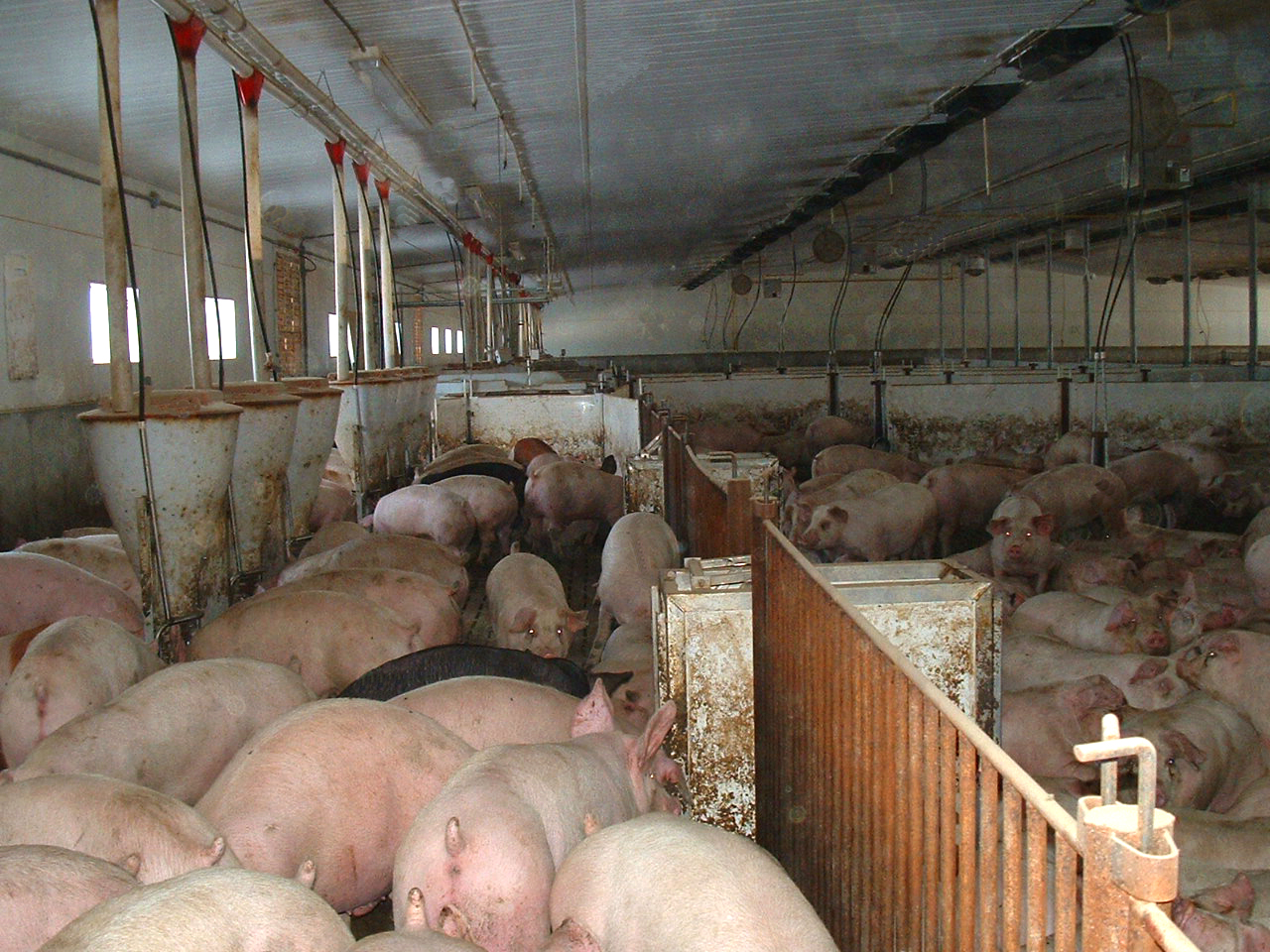 Eight, 7-8 week-long blocks, each involving 288 pigs, were completed. The average liveweight at the beginning of the study was 37.4kg. Overall, average daily gain (ADG) was 1.032 kg/day and 1.077 kg/day for crowded and uncrowded pigs respectively, which was a highly significant difference. Differences between the space allowance treatments were most evident during the final week of study.
Pigs in the crowded groups spent less time eating over the eight-week study than did pigs in non-crowded groups. However, average daily feed intake (ADFI) did not differ between treatments. Overall, ADG of large-group pigs was 1.035 kg/day, whereas small group pigs gained 1.073 kg/day. Average daily gain differences between the group sizes were most evident during the first two weeks of the study.
The investigation found that, over the entire study, large groups were less efficient than small groups. Although large-group pigs had poorer scores for lameness and leg scores throughout the eight-week period, morbidity levels did not differ between the group sizes. Minimal changes in postural behaviour and feeding patterns were noted in large groups.
An interaction of group size and space allowance for lameness indicated that pigs housed in large groups at restricted space allowances were more susceptible to lameness. Although some behavioural variables, such as lying postures, suggested that pigs in large groups were able to use space more efficiently, overall productivity and health variables indicate that pigs in large and small groups were similarly affected by the crowding imposed in this study.
The trial indicated no difference in the response to crowding by pigs in large and small groups. Little support was found for reducing space allowances for pigs in large groups.
WHJ comment: There is no doubt that the North American pork industry has enthusiastically embraced large group grow-finish systems in order to obtain the benefits of auto-sorting equipment, which leads to more optimal market weights and saves labour. However, little is known about the implications for pig performance and welfare. This study suggests that space allowance has a bigger effect on growth than group size, although ADG was better for the small groups. The suggestion that pigs in large groups make better use of space and therefore need less space per pig seems to be disproved by this work. Even though there are disadvantages in both performance and some measures of welfare, the trend towards large groups is likely to continue due to the magnitude of the benefits.
Reference: B. R. Street and H. W. Gonyou. – Effects of housing finishing pigs in two group sizes and at two floor space allocations on production, health, behaviour, and physiological variables.
J. Anim Sci. 2008. 86:982-991. doi:10.2527/jas.2007-0449
Eye on Research – The use of hormone treatment for single-AI gilt matings
Posted in: Production by admin on | No Comments
Optimal timing of artificial insemination (AI) in gilt breeding programs is crucial to ensure successful fertilization and improve reproductive efficiency. Heat detection is a key component of the effective use of AI, but is time consuming and labour intensive. The use of hormone treatment to control the timing of ovulation can eliminate the need for heat detection and facilitates the use of fixed-time AI procedures. Recent research has demonstrated that porcine luteinizing hormone (pLH) can reliably synchronize ovulation in weaned sows as a part of fixed time AI protocols, but its application in gilts for this purpose has not been studied.
In a study carried out at the University of Alberta, 45 cyclic gilts received altrenogest (Regumate, Intervet) treatment for 14-18 days, followed by 600 IU of equine chorionic gonadotropin (eCG), given 24 hours after the last altrenogest. They were then treated with either 5 mg pLH, 750 IU human chorionic gonadotropin (hCG), or with saline (controls), 80 hours after the eCG treatment.
Injection with pLH or hCG will induce ovulation.
Estrus detection and ultrasound scanning was performed every 8 hours, beginning 8 hours before the pLH/hCG/saline treatment to determine the time of onset of estrus and ovulation. The pLH and hCG treated animals were inseminated at 32 hours and, if ovulation was not yet confirmed, again at 40 hours after the pLH/hCG treatment. Control animals were inseminated 16 hours following the initial detection of standing estrus and then every 24 hours until ovulation was confirmed.
The results of the trial showed that the pLH and hCG treated gilts ovulated sooner after treatment compared to the control group. Gilts treated with pLH exhibited significantly less variation in the timing of ovulation than the hCG or control groups. Ovulation rate and number of embryos recovered was highest in the pLH treated gilts and lowest in those treated with hCG. For gilts given pLH or hCG, the diameter of the largest follicle prior to the onset of ovulation (8.1mm and 8.1mm respectively) was smaller than control animals (8.6mm). The pLH and hCG groups ovulated sooner after treatment compared to the saline treated group (43.2, 47.6 and 59.5 h, respectively), with significantly less variation in the timing of ovulation for the pLH-treated animals. Embryo quality, evaluated using total cell counts and embryo diameter, was not affected by hormone treatment.
WHJ comment: Fixed-time AI, with a single insemination, has been successfully used for sows following weaning. These results indicate that pLH can be used in cyclic gilts, and will reliably synchronize ovulation without detrimentally affecting ovulation rate, number of embryos or embryo quality. This suggest that pLH based fixed-time AI protocols in could also be applied in gilts.
Reference: K.L. Degenstein, R. O’Donoghue, J. Patterson, E. Beltranena, D.J. Ambrose, G.R. Foxcroft and M.K. Dyck – Synchronization of ovulation in cyclic gilts with Porcine Luteinizing Hormone (pLH), Advances in Pork Production (2008) Volume 19, Abstract #26
Eye on Research – Feed and water system affects performance of lactating sows
Posted in: Production by admin on | No Comments
A recent experiment carried out at Michigan State University looked at the effects of two ad libitum feeding and watering methods on the performance of lactating sows. The first was a self-fed wet/dry feeder and the second a hand-fed feed system with a separate water source. In the wet/dry feeder, feed and water were dropped into a trough, with the sow deciding how much feed and water to release. Because feed and water became mixed together in the trough, the sow also determined the wetness of the feed consumed. In the hand-fed system, sows were given dry feed twice daily in a J-shaped feeder that was independent of the sow’s water source. Total feed disappearance per sow during a 20-day lactation was greater with the wet/dry system than with the hand-fed system (120 vs. 110 kg, respectively). The sows fed with the wet/dry feeder also had greater body weight gains during lactation than hand-fed sows (6.2 vs. 1.85 kg, respectively). Backfat depth change during lactation did not differ between treatments, nor did the percentage of sows displaying estrus by day 11 post-weaning. Piglet weaning weight was greater (6.63kg) with the wet/dry system than with the hand-fed system (6.12kg). The sows’ average daily water intake and total feed wastage during lactation did not differ between treatments. However, sows using the wet/dry feeders wasted less water than those with the hand-fed system (15 vs. 232 L, respectively). The authors noted that the difference in waste water volume would result in a significant variation in costs associated with manure storage and distribution. In conclusion, use of a sow-operated wet/dry feed-water system in lactation, which provides sows choices of when to eat, how much to eat, and if dry feed should be mixed with water during consumption, enhances sow appetite, improves litter growth performance, and wastes less water than a hand-fed feed-water system.
WHJ comment: With the vastly increased nutritional demands on todays sows, any means of improving the amount of feed consumed during lactation will be beneficial because there is a direct relationship between body weight loss during the suckling period and subsequent litter size. The 10kg difference in total lactation feed intake is considerable, even though it did not result in a difference in backfat at weaning or wean to estrus interval. However, the biggest benefit was in weaning weight, which increased by over 0.5 kg. Bearing in mind the effect of weaning weight on subsequent growth rate, this is an extremely valuable improvement. The difference in water wastage between a drinker over the trough and a regular crate-mounted nipple is quite staggering and is another reason for considering a wet/dry type feeder. Overall, this trial indicates the big impact of lactation feed intake on sow performance and suggests that producers should be paying more attention to this crucial area.
Reference: J. J. Peng, S. A. Somes and D. W. Rozeboom – Effect of system of feeding and watering on performance of lactating sows, J. Anim Sci. 2007. 85:853-860. doi:10.2527/jas.2006-474
Danes average 25psy but sow longevity a problem
Posted in: Production, Welfare by admin on | No Comments
Danish pig producers reached the milestone of an average 25 pigs per sow during 2006/7, and that’s the figure for 30kg pigs produced, not numbers weaned per sow. However, sow longevity continues to be a problem, with an annual sow replacement rate of over 50% and sow death loss at a staggering 15%. Producer organization Danish Pig Production (DPP) is carrying out research which, it is hoped, will lead to a substantial reduction in sow wastage, according to its Annual Report.
Overall breeding herd performance averaged 24.9 pigs/sow/year, with the top 25% of producers reaching 27.8. Liveborn piglets averaged 13.5, with the top 25% of herds producing 14.0 per litter. However, the average number of stillbirths per litter remains high, at 1.7 per litter. Weaning age is around 30 days and weaning weight averages 7.3kg.
The Danish breeding program continues to focus on improving the number of piglets alive at five days of age (called LP5) and this strategy has been producing excellent productivity gains. Over the 4 years to 2007, there was a 0.34 pig increase each year in Landrace sows and 0.38 in the Large White breed. Recently, there has been much more emphasis on increasing sow longevity, defined as the number of litters produced per sow lifetime, which is included in the breeding objectives. Because this cannot be defined until the sow is culled, other measures are being used as an indication of longevity. One of these is conformation, which has been used for many years. More recently, the ability of gilts to reach breeding after weaning their first litter has been used and this is highly correlated with sow longevity. The Danish report notes that the genetic traits for carcass lean content and daily gain are negatively correlated with longevity, whereas conformation is positively correlated. These relationships are now being used when estimating breeding values for longevity.
An increase in the incidence of shoulder ulcers in sows has prompted DPP to launch an investigation to find out whether there is a genetic variation or resistance to shoulder ulcers and whether the incidence can possibly be reduced by genetic means. In the meantime, the DPP report stated that it wants to see the number of reported shoulder ulcers halved and entered into an agreement with the Danish Veterinary Association to try to achieve this. The herd vet must regularly check the prevalence of ulcers and, if this is high or increasing, formulate an action plan with preventive measures. DPP is also looking at the influence of types of treatment, nutrition and design of housing on shoulder sores. The use of rubber mats has been shown to reduce the incidence and severity of ulcers.
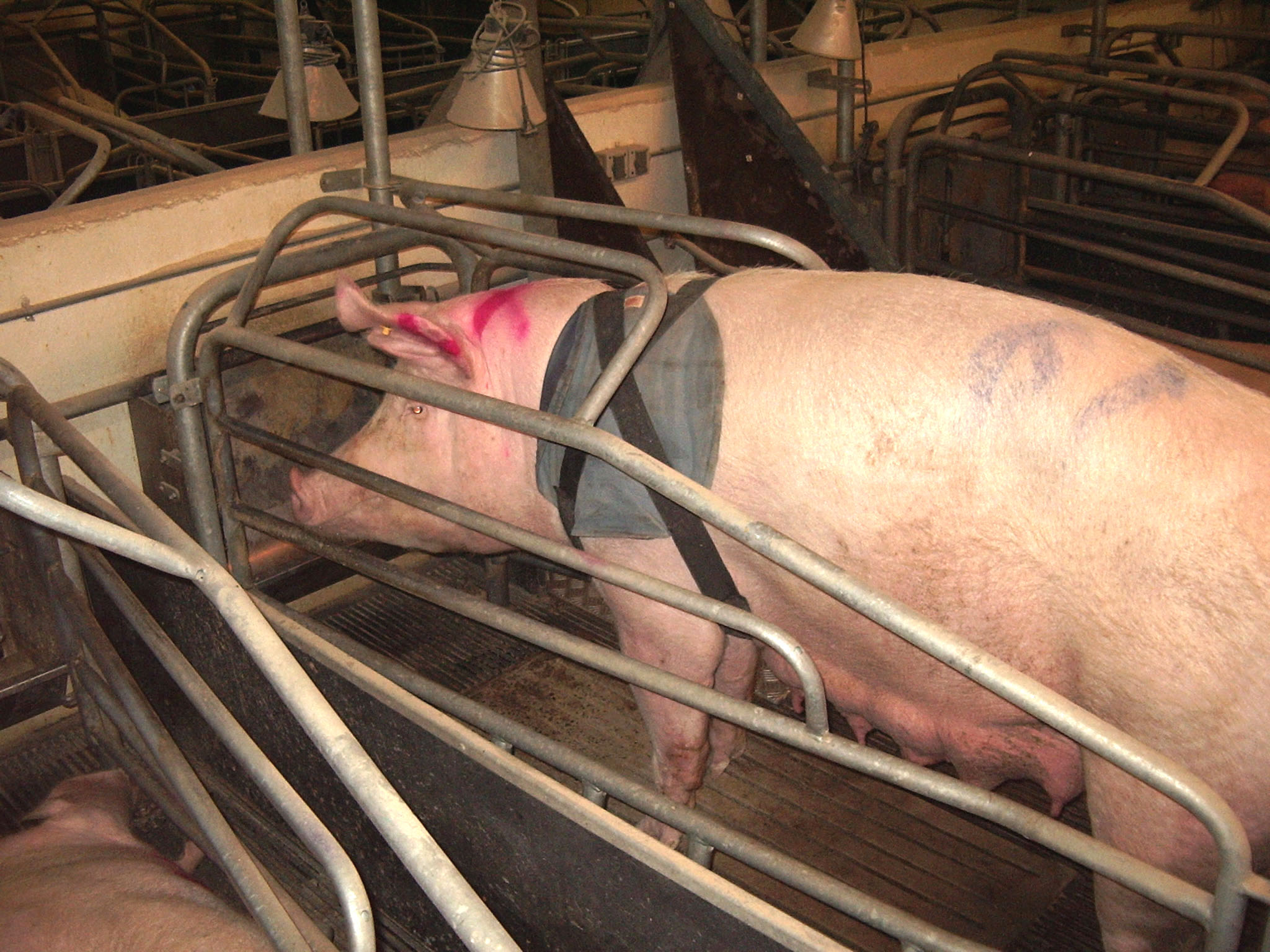 A reduction in sow mortality is also a key aim of DPP research to increase longevity. It points out that a high death loss is not necessarily an indication of poor sow welfare in a herd. Many sows that have to be destroyed today would have been sent to slaughter five years ago, DPP notes. Sow mortality, it says, is reduced through prompt intervention, good prevention and consistent handling of unthrifty, sick and injured sows.
Hospital pens must be used early on to minimize the recovery period. It has initiated a demonstration project involving 20 farms around the country where data on sow longevity will be gathered and the measures that lead to improvements identified, so that this information can be communicated to producers. Hospital pens for sows are a key weapon in the fight for higher longevity. Trials have shown that it is possible to reduce the percentage of sows that die or have to be destroyed if there sufficient hospital pens available and a treatment strategy is drawn up by the vet. Preliminary results suggest that lameness was the primary cause (75% of sows) for transfer to a hospital pen. Sows stayed in the hospital pen for an average of 22 days and 80% of sows were able to return to the gestation pens or move to the farrowing house. Of the sows that were due for culling, there were 25% fewer deaths or destroyed sows.
With high and increasing litter size the use of nurse sows is very common in Denmark and DPP has investigated many aspects of this practice. A recently reported trial looked at whether the use of Oxytocin after foster piglets have been placed on the sow affected piglet growth and survival. One-step nurse sows were compared with two-step nurse sows and sows that only suckled one litter. Oxytocin was given ten minutes and three hours after new piglets were placed on the nurse sow. The first successful suckling occurred after 5.6 hours for the nurse sows that did not receive Oxytocin and 6.3 hours for the treated sows. The report notes that 50% of sows stood up during the Oxytocin treatment and suggested that this could be the reason why treatment did not help to make sows accept the piglets more quickly. Piglets weighed 100 grams less at weaning for every hour’s delay between introduction to the sow and suckling. However, there were no differences in survival rate or weaning weight between the two groups.
DPP has also compared the impact of being a nurse sow on subsequent performance, comparing one and two-step nurse sows with those that suckled just one litter. One-step nurse sows had an average 51-day period, two-step sows had 32 days and sows that were not used as nurse sows suckled for 27 days. Nurse sows took an average of one day longer to come on heat after weaning, which the authors suggest could be due to loss of condition in the long lactation period or because the sows showed heat during lactation. They also tended to have a lower farrowing rate but the one-step sows had a significantly higher subsequent litter size. The report suggests that the lower farrowing rate may be because nurse sows do not suckle for 3-12 hours after piglet introduction, which can induce a “weaning heat”. These sows have a much more variable onset of post-weaning estrus and therefore staff in the breeding area should be made aware of the nurse sows so they can pay special attention to heat checking and serving them when in standing heat.
Photo caption: SowShoulderPad-2 – Shoulder sores are a major problem in Danish breeding herds and pads like this one are used for protection
Alberta Pork tackles labour shortage
Posted in: Economics, Meat Quality, Production by admin on | No Comments
Over the last few years, the availability of skilled labour, or indeed any labour at all, has been an increasing challenge faced by the Alberta pork industry. The only solution for most producers is to recruit foreign workers, but the process is long and cumbersome, resulting in a delay of up to 12 months before a new employee arrives. Alberta Pork has been working with Alberta Agriculture and Rural Development (AARD) and Service Canada since the Fall of 2007 to address producer concerns over this issue.
“As with all the livestock industries, the pork industry’s success is vitally dependent on experienced managers and technicians as well as inexperienced people who wish to pursue a career caring for pigs,” says Stuart McKie, Policy Specialist with Alberta Pork. The lack of available employees in Alberta is not a crisis unique to the pork industry, he notes. “It has come to the point where businesses are cutting back their hours of operation due to a lack of staff. Unfortunately, the livestock industry does not have this as an option except to close its doors completely. Without a dependable labour supply, production units can suffer either in productivity or possibly compromise animal welfare – two unacceptable solutions to this crisis.”
The main delay is the time taken to obtain a Labour Market Opinion or LMO, a prerequisite to hiring a foreign worker. Applications to the Foreign Worker Recruitment Branch of Service Canada have been taking up to 30 weeks to process due to the large numbers received – over 80,000 applications over the last 12 months. However, more recently, processing times have been reduced to about half that time. Following discussions with Service Canada, it has agreed to review applications from producers who find themselves in a crisis situation with regard to labour. “The process involves Alberta Pork handling completed LMO applications from producers,” explains Stuart McKie. “They are then checked to ensure applications are correct and complete prior to forwarding them to Service Canada, providing a means of ‘quality control’, so that all applications are of the required standard.”
The applications are prioritized according to their urgency, with non-urgent applications going into the regular Service Canada administration system and urgent applications being dealt with on a case-by-case basis. Bernie Peet of Pork Chain Consulting Ltd has been contracted to assist with this project and is carrying out the day-to-day work on behalf of Alberta Pork. Alberta Agriculture and Rural Development has provided funding assistance. “Producers are encouraged to plan ahead and apply for an LMO in plenty of time, even if they don’t need a worker immediately,” stresses McKie. “The LMO is valid for six months and there is no fee to pay, so it’s best to have one tucked away for a rainy day.”
With a number of producers going out of business over the past year, some foreign workers have needed help to find new employers, although this still requires an LMO to be obtained because work visas are specific to the employer, the employee and the job. “There’s no shortage of people wanting to employ a worker that’s already here because it’s a quicker process,” says Bernie Peet. “However, the waiting time for an LMO has been the sticking point, but, working with Service Canada, we have been able to rush these through so that the foreign worker has not been left without a job or had to leave the country.” Visa applications are processed at Citizenship and Immigration Canada (CIC) at Vegreville, which is currently taking about a month, he notes.
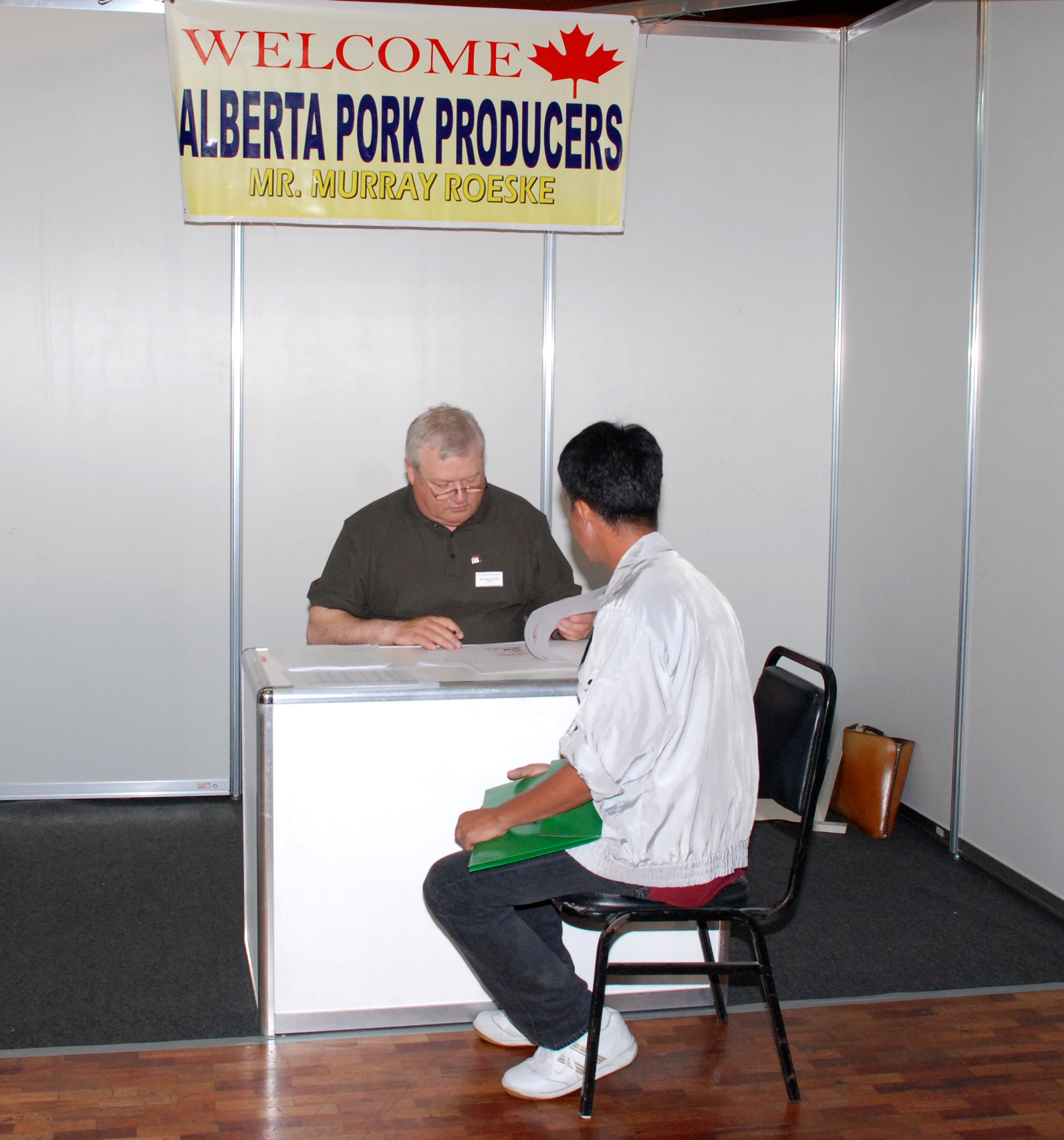
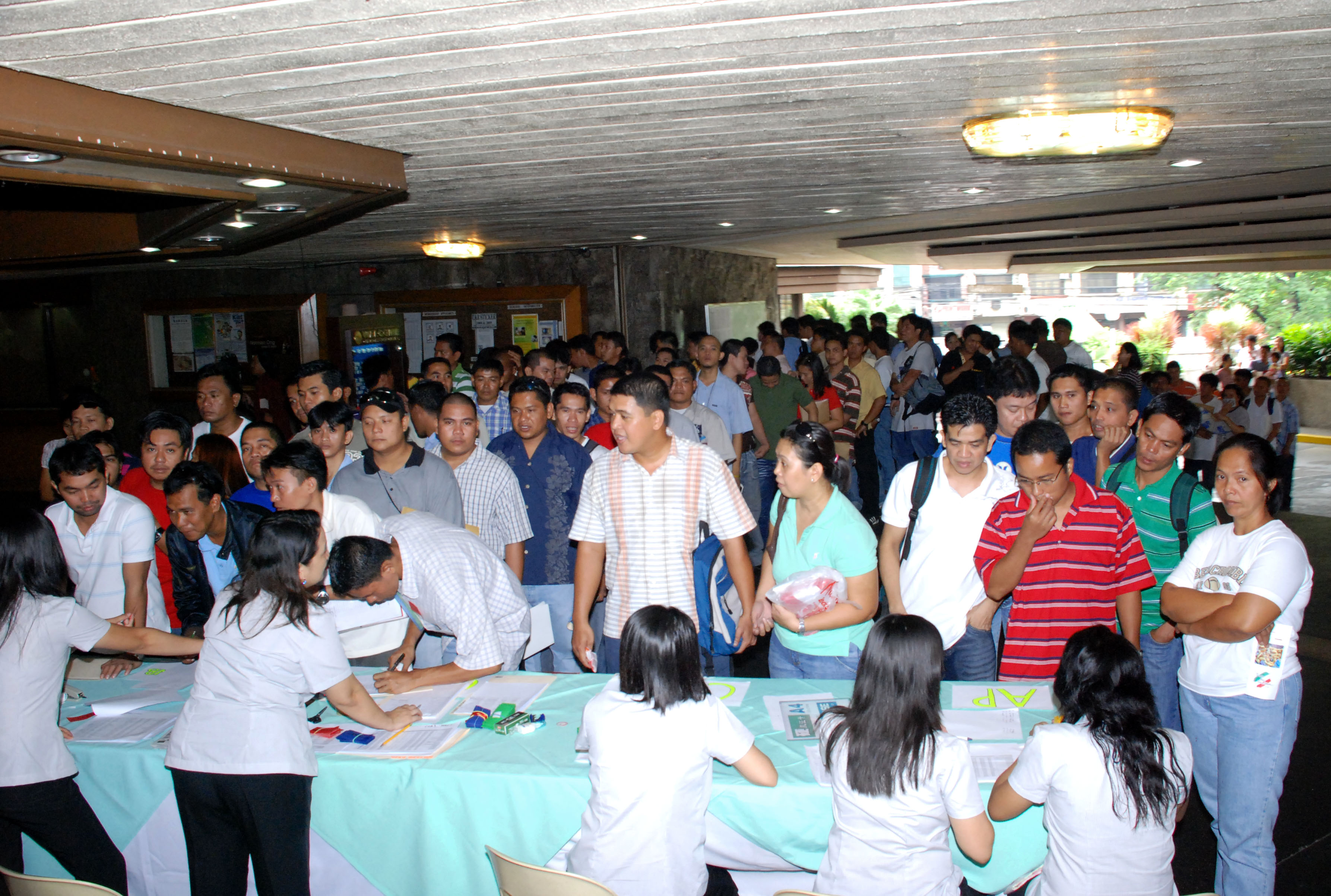 The second part of the Alberta Pork project is to establish a “database” of foreign workers that is available to producers so that they can select suitable individuals. This is being done by attending overseas Job Fairs, interviewing potential candidates and selecting the best for consideration by producers. In April, Murray Roeske, Alberta Pork’s Field Services Specialist and Bernie Peet took part in a three-day job fair organized by AARD and held in the city of Manila, Philippines. Marvin Salomons and Scott Dundas of AARD coordinated the event, which included three other employers from the food processing industry. More than 1,400 Philippine job seekers attended the venue. Food processing employers interviewed 904 qualified candidates and made 241 job offers on-site. A total of 157 selected job applicants were interviewed on behalf of Alberta pork producers by Peet and Roeske over the three days. “The qualifications of these potential employees were found to be excellent, with a majority of them having a Bachelors of Science in Agriculture degree or are Veterinarians,” comments Murray Roeske. “As English is the second language in the Philippines, all of the interviews were conducted in English and therefore, on-farm communications should not be a problem.” Bernie and Murray returned to Alberta with 111 potential resumes and these are now available for review by producers.
Assisting the process in the Philippines was a recruitment agency called Golden Horizon, which has developed a good working relationship with Philippine government organizations and the Canadian Embassy in Manila. This has helped with processing times for visa applications and working with this company has also proved very cost effective in the applicant selection process. Once a candidate has been selected, Golden Horizon ensures that the process of obtaining the work visa goes as quickly as possible, shortening the time taken to get a worker into Canada.
 Further job fairs, in Mexico and Europe, will be attended in the near future, in order to maintain and develop a pool of potential workers for the industry. One objective of these overseas missions is to understand the processes involved in obtaining a work visa, especially the potential hold-ups, with the objective of reducing processing times. This involves contact with the Canadian Embassy and organizations in the country being visited that have an influence on the process. “We want to raise our profile and name recognition as a responsible employer, while working to make the process as efficient as possible,” explains Stuart McKie.
If you would like more information about the Foreign Worker Project or help with recruiting a worker from overseas, please contact Stuart McKie on (780) 491-3527 or Bernie Peet on (403) 782-3776.
Alberta Pork gratefully acknowledges the assistance and financial support for this project given by AARD and especially the help given by Marvin Salomons, Scott Dundas, Alan Dooley and Ab Barrie.
Photo captions:
1. Registration-1 – A throng of hopefuls waiting to register at the job fair in Manila
2. Murray Roeske – Murray Roeske of Alberta Pork interviews a candidate at the job fair
Achieving a 90% farrowing rate and 13 born alive
Posted in: Production by admin on | No Comments
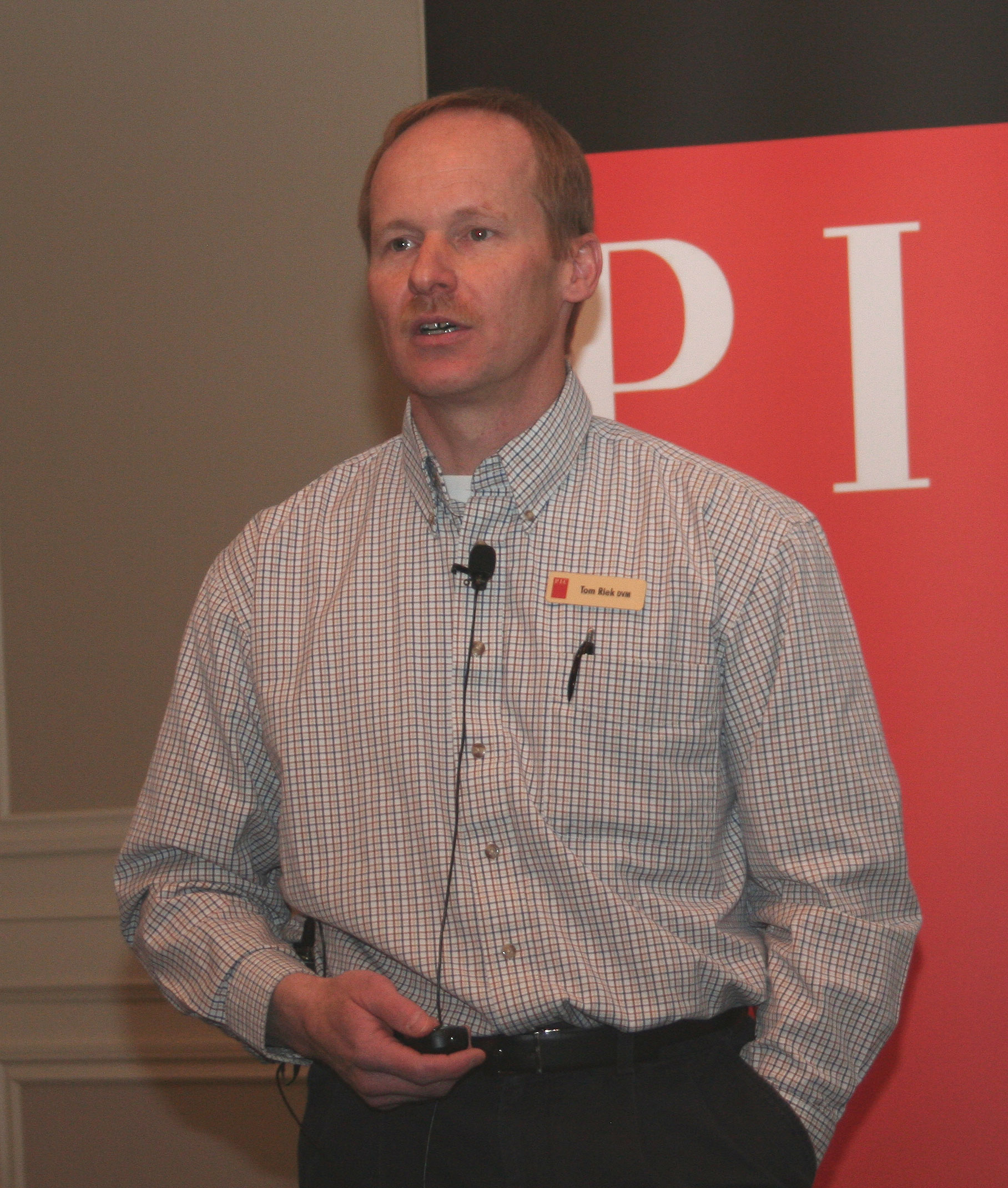 Targets for the breeding herd of 90% farrowing rate and 13.0 pigs born alive are realistic with good management, veterinarian Dr. Tom Riek told producers at a series of PIC Farm Manager Boot Camp meetings held across western Canada in April. If these figures are not being achieved, the reasons must be identified and action taken, he said. The difference between the top 10% of herds in the PIC League List, which have an average of 88.9% farrowing rate, and the top third, with 85.8%, is equivalent to an extra one pig weaned per sow each year. In order to reach the farrowing rate target, returns to service must be around 8%, with a further 2% of dropouts due to abortions, discharges, NIPs and deaths, Dr Riek suggested.
“Regular returns, which occur at 18-23, 40-44 or 60-64 days after breeding, are usually when something went wrong at service, for example timing or semen quality issues, or in the first two weeks of gestation, before implantation,” Dr. Riek explained. “Non-regular returns, which are usually 25-35 days after breeding, are related to the presence of less than five embryos beyond the implantation stage.” The ratio of regular to irregular returns should be around 3:1, he noted.
Feed levels important
Giving adequate amounts of feed is essential for good reproductive performance, Dr Riek stressed. “From a metabolic point of view, reproduction is a luxury. Breeding can only happen when the sow’s maintenance requirements are fully met.” In the three weeks prior to breeding, the gilt’s feed intake should be maximized, he said. “Also, during this time, any stress from movement, disease, lameness, vaccination or inadequate feed or water availability should be avoided.” Similarly, weaned sows should be fed as much as possible between weaning and breeding and then fed to recover any body condition loss sustained in lactation, Dr. Riek said. “Thin sows not fed to recover body tissues could lose embryos or even return.” He suggested a simple feeding program during gestation, based on the need to regain or control body condition. “Feeder boxes should be adjusted so that thin sows receive 6lbs per day in order to regain condition, to 5lbs in order to limit weight gain in normal sows and to 4lbs to control weight gain in fat sows,” he advised. Body condition should be evaluated and feeder adjustments made four days after breeding and at weeks 4, 10 and 14, he said.
During lactation, sows should consume an average of 13lbs (5.89kg) per day or 280lbs (127kg) during a 21-day suckling period, Dr. Riek suggested. “In order to maximize feed intake, feed should be mildly restricted pre-farrowing and for 2-3 days after farrowing and then full-fed,” he said.
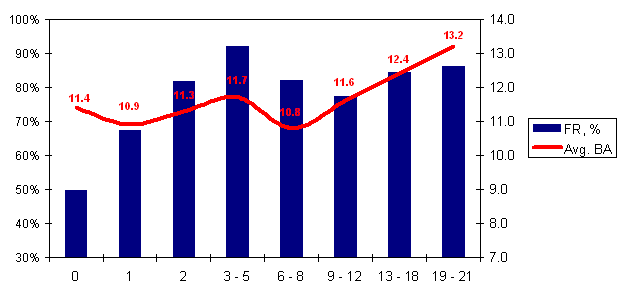
Weaning to estrus interval has a major effect on both farrowing rate and litter size, with the maximum fertility occurring 3-5 days after weaning (see Fig. 1). From day 6 onwards, fertility drops and then recovers again after day 13. “In order to achieve the 90% farrowing rate target, it is essential to have as many sows as possible bred within the first 7 days after weaning,” Dr. Riek pointed out.
Figure 1: Reproductive performance according to WEI duration
From: Poleze et al., 2006
Service timing and semen quality are key factors
Timing of insemination is another key factor in achieving a high farrowing rate. “Sperm survives for up to 24 hours in the sow’s reproductive tract, but the eggs only live for 8-12 hours after ovulation,” explained Dr. Riek. “The best results are obtained when sows are inseminated 0-24 hours prior to ovulation. However, although we know that ovulation takes place in the last third to the last half of the heat period, we don’t know exactly when, so multiple mating is the answer.” Good timing will result in 90% or more multiple matings, he said. “Using a simple system, with heat detection once a day, in the morning, is the best approach for many units. Sows are bred one hour after heat detection and then every morning as long as they are in solid standing heat, regardless of parity.” However, gilts, returns and sows that have delayed estrus after weaning should be bred in the morning and the afternoon, ensuring that there is a minimum of 8 hours between matings, Dr. Riek advised.
Good semen storage practices are essential in order to ensure semen quality. “Semen must be stored in a narrow range of temperatures from 15-18oC (50-64oF),” Dr. Riek pointed out. “High temperatures are more detrimental to the viability of the doses than lower temperatures.” One third of refrigerators were found to be at an unacceptable temperature in a survey published in 2005, he noted. “Make sure the refrigerator is working well by using a Hi/Lo thermometer to evaluate the internal temperature,” he advised. “Also, do an annual check and service on the refrigerator before each summer.” In order to ensure an even temperature for semen, room should be left around the semen containers to allow air circulation. Ideally, semen should be used within 4 days of collection to ensure maximum motility, Dr. Riek advised. “Use semen as fresh as possible and keep in mind the policy of first in-first out.”
Culling of the less productive sows is necessary to boost overall herd performance, Dr Riek noted. “It’s hard, if not impossible, to improve when you do not cut the bottom 20%,” he stressed. Gilts that have not shown heat within 6 weeks of boar exposure and those with a low weight for age should be culled, he said. “Sows with no heat 4 weeks after weaning, sows that abort, sows with true vaginal discharges and second returns should also be removed.”
Photo captions:
- Tom Riek
- Drop box – Regular adjustment of sow feeders is required to maintain the correct body condition
Creep feeding – the “Three Threes” – and why they are important
Posted in: Production by admin on | No Comments
C’mon guys, you really must creep feed these days!
In the Winter issue I talked about the ‘Shattered Sow Syndrome’, which is the result of excellent world-wide progress in the breeding barn, with large litters of 13 being seen more and more often. In fact the last three farms I visited over here were averaging a whisker under 13 born-alive. Terrific!
But moving on into their mating units, there were too many sows already well into the body-condition ‘nose-dive’, especially those in the vulnerable 1st and 2nd parities – ‘shattered sows’, which should have had the weight of a prolific and rapidly growing litter taken off them. Feeding a well-designed and carefully made creep feed early on is a primary line of defence, yet two of the breeders were not doing so, and the third unskillfully.
Why no creep feed?
I asked the two defaulters who had recently stopped. “Too much bother and we’ve not enough labour”. “Very expensive”. “Last time we tried it we saw no definite benefit.” “It caused scour”. “The little pigs don’t seem to like it” …. and so on.
The last three reasons were almost certainly due to the creep feed itself. I looked at their specifications, smelled the feed, tasted it* and asked the price. Not impressed!
A really well designed creep feed contains expensive ingredients – even nucleotides, which you probably haven’t even heard about – but you will soon. It is the cheap formulae which cause scour. The new creep formulae do not do so and ensure the vital palatability – they can even produce better performance than sow’s milk alone, some nutritionists are now able to claim. Yes, and this particular choice of raw materials and very careful, specialized manufacture costs dollars – a lot of dollars – per tonne. So let’s look at the cost aspect.
The econometrics (cost-effectiveness) of creep feeding
There are now several statistically-valid trials of well-designed creep feeds providing another whole kilogram at 28 day weaning (for example Varley, Pig World 2006, p. 39). This gave 8.4 kg vs 7.4 kg – and 7.4kg is not bad, is it! There are dozens that show at least a 500g advantage.
An half- kilogramme advantage at weaning can provide 50 to 60 g/day better growth to slaughter, worth another CDN$8 – $12 per pig at our current European finished pig prices. And what is the cost per finished pig of feeding a really sophisticated creep feed? With 700g consumed by weaning, this cost about CDN$3.50/pig, and with the extra labour needed, another 50 cents. These are pessimistic assumptions but they still give an REO (Return on Extra Outlay) ratio of 2 to 4:1.
* Don’t do the latter, it could be dangerous. But I’m a risk-taker and on-farm I am tempted to be a bit of an idiot in my enthusiasm to get a message across. So far I’ve got away with it!
This payback doesn’t include the value of a better immune response later in life
(helped by things like nucleotides), a well-primed enzyme system at weaning and fewer ‘shattered sows’, especially in the earlier parities when the big litters now being achieved as routine shorten the sow’s productive life. Sow longevity is a major problem worldwide and I will address this “scandal in our midst” in the next issue.
Do it properly guys!
The experts tell us that the piglet needs to eat at least 400g of solid food so as to precondition the absorptive area of the gut wall so that solid food can be safely digested once the sow is removed.
Start early: Sure, they will waste a lot but reduce this by offering a light scattering of creep on a small shallow plastic tray with a 1 cm – high flange. You will need two of these to be removed at least once or twice a day or when soiled.
Feed fresh: Along with a water supply nearby, this is easily the most significant benefit to rapid, trouble-free uptake of a good creep feed. Freshness in the creep receptacle is materially helped by adopting my “Three-Threes” approach.
The Three-Threes: This means for the first three days, ie from day 3 to 4 from birth until day 6 to 7, the creep must be offered three times a day and only enough should be offered to last three hours. Any creep starter feed not consumed should be given to sows in the least-good condition, being heavily milked, one suspected of a low milk yield, or to smaller gilts. This way it will not be wasted. Now I know this is a chore – a darned nuisance. But a survey I published a while ago showed that skilled pig technicians must spend more “quality-time” with the pigs and less on heavy-duty tasks which can be done adequately enough by less-skilled or contract labour.
During these intensive “care days” the small, first-stage creep receptacles must be taken up and cleaned once a day. Indeed as staff are busy enough at that time, spares are a boon so that a daily bulk cleaning and drying period can be accommodated with the minimum of work and disturbance to routine.
Creep feeders
Fortunately these creep feeders are small and inexpensive. I illustrate three of them.
Another not shown is a heavy, cast-iron circular bowl with metal rod dividers falling from a central carrying handle. But they are heavy things to cart around and keep clean. A concrete/resin heavy bowl is more convenient. Plastic or steel designs are cheaper and lighter but need to be anchored to the farrowing pen perforated floor, in which case a central, spring-loaded handle is depressed and twisted to lock a small ‘T-piece’ under the slat and keep it from being overturned. Preferably do not use those with solid dividers as piglets like to see others eating and the more timid will start eating that bit sooner.
Another more costly but intelligent design, which does not need such frequent replenishment, is one I’ve seen used and made by Osborne, Kansas. This has a mini tray under a small dispensing hopper which itself keeps the creep away from flies and odours. The larger tray underneath the fixed mini tray can be taken off and washed, but ask for an extra number of these so that the device can be kept as clean as possible by cleaning and replacing with the spares. I hope they are still available, as we always got good results with them. Many creep feeders are what I call “permanent” – heavy, well made, the trough partitioned and with a generous feed hopper. Fine! But they tend to be overfilled and thus the feeding space is not cleaned frequently enough during those first vital 4 to 7 days of use.
Spotless cleanliness is the keystone of successful early-starting creep feeding – once you have summoned up courage to buy a really good creep feed, of course.
Plenty of spare small creep receptacles, frequently sanitized, enables this to be done.
Because the larger conventional creep hoppers are so permanent, they are not placed in the farrowing pen until too late, in other words when the technician thinks the piglets will eat the creep feed willingly, which is at about 10-12 days. Use them later by all means – providing the trough is kept clean.
For the ‘Three-Threes’ it is better to have a smaller dedicated dispenser and change to a conventional feeder later on – if kept clean and sweet.
Placing of the creep dispenser
This is a big subject, too complex to be described here as it involves “best locations” in the four main farrowing pen designs – central crate/side creep (preferred), central crate/forward creep, central crate/corner creep and diagonal crate/corner creep. In the limited space left to me here, suffice it to say that you should, in all cases, keep the creep dispenser away from a heat source, place it as near as possible to a water source (but not that of the sows), never overfill and keep it away from the sow’s urine splashings.
A tip to finish with
Can you get potato starch in Canada? If so, mix a little in with the creep pellets or sprinkle a little over the shallow pre-starter tray on the first day of weaning – you will be surprised how quickly they take to it.